Looking at the year ahead for nature guides and why interpretation, professionalism, and authentic connection now define exceptional guiding.
The nature guiding industry is entering a pivotal phase. In 2026, guiding is no longer just about finding animals or ticking off iconic species - it’s about
interpretation, professionalism, and meaningful connection. Across southern Africa and beyond, the role of the guide is evolving in response to changing guest expectations, conservation realities, and a more formalised industry structure.
Here’s what to expect as 2026 unfolds.
Guiding Becomes a Recognised Profession
One of the most significant shifts is the
formal professionalisation of nature guiding, with FGASA at the helm. Training pathways, qualifications, and ongoing development are becoming more structured, with guiding increasingly recognised as a skilled profession rather than seasonal work.
For guides, this means experience, knowledge, and continued learning matter more than ever. Career progression is becoming clearer, and those who invest in their craft -whether through formal training or deep self-study - will stand out.
Experiences Matter More Than Sightings
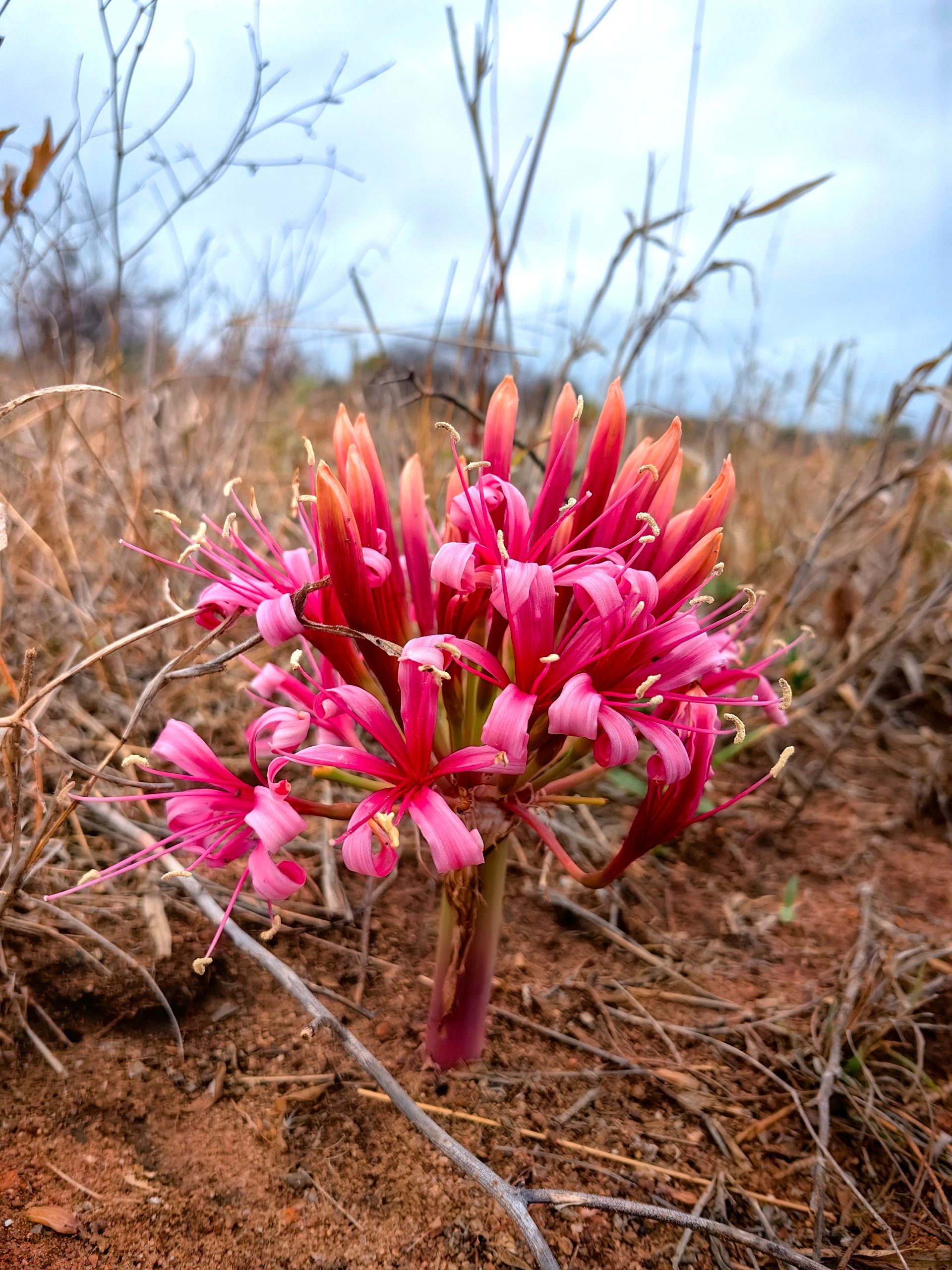
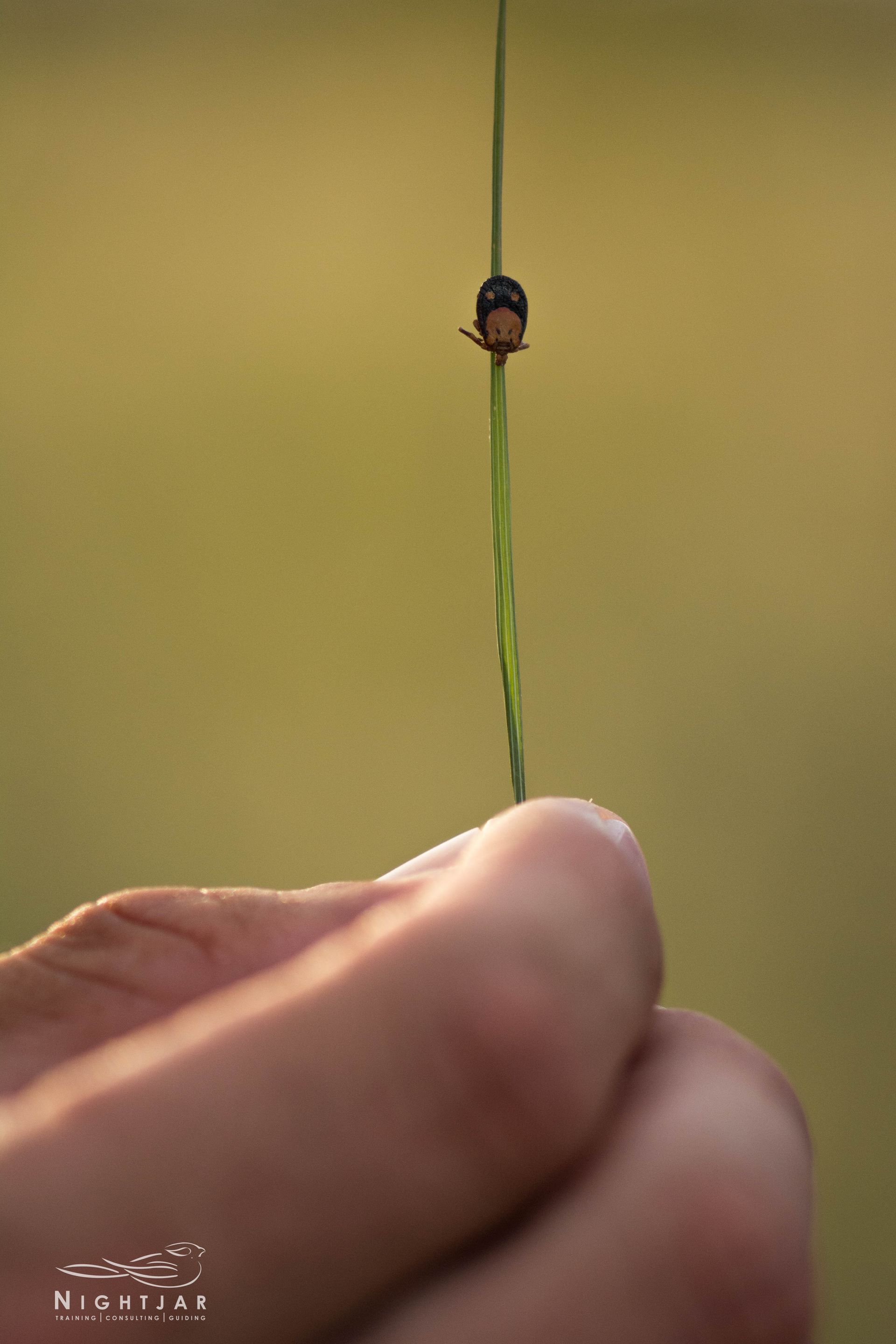
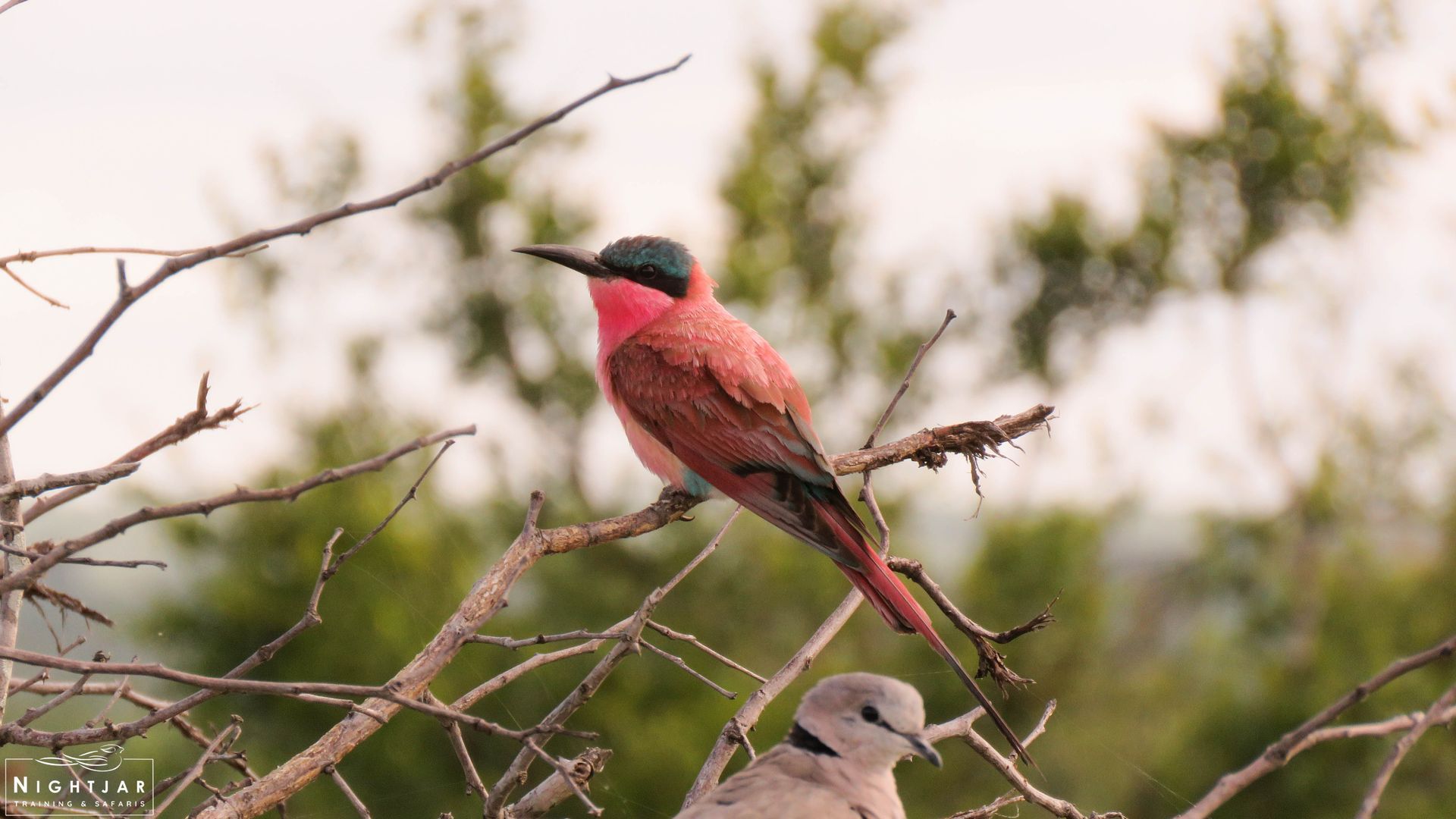
Birds, Botany, and the “Small Stuff” Step Into the Spotlight (even more!)
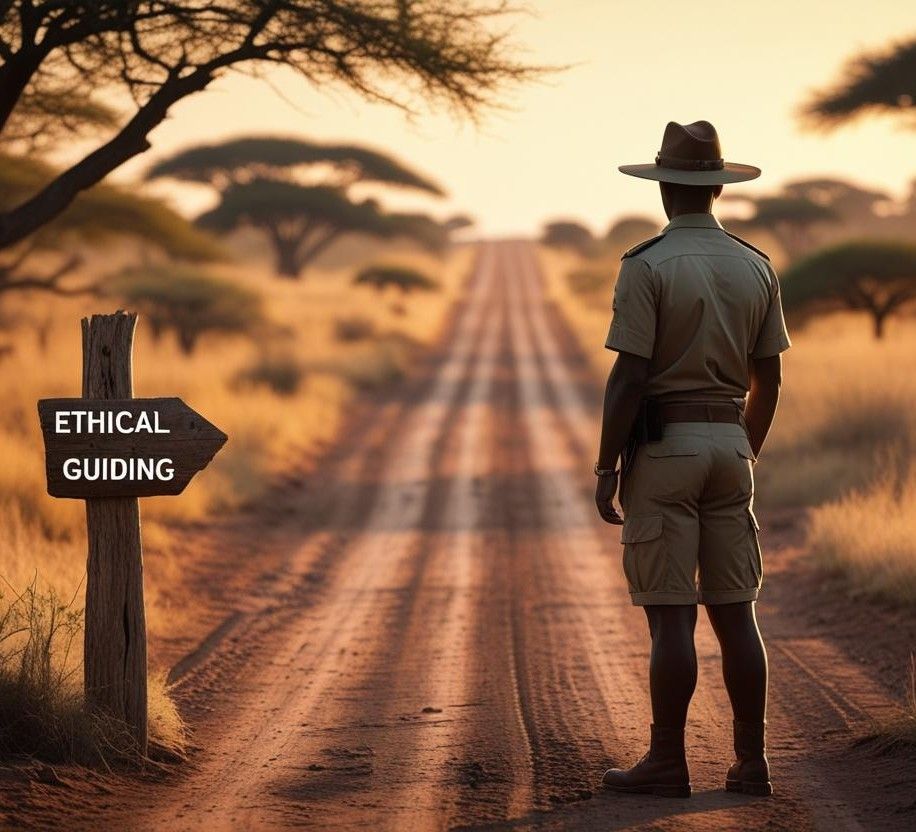
Guides as Ethical Interpreters of Nature
As tourism moves beyond sustainability toward
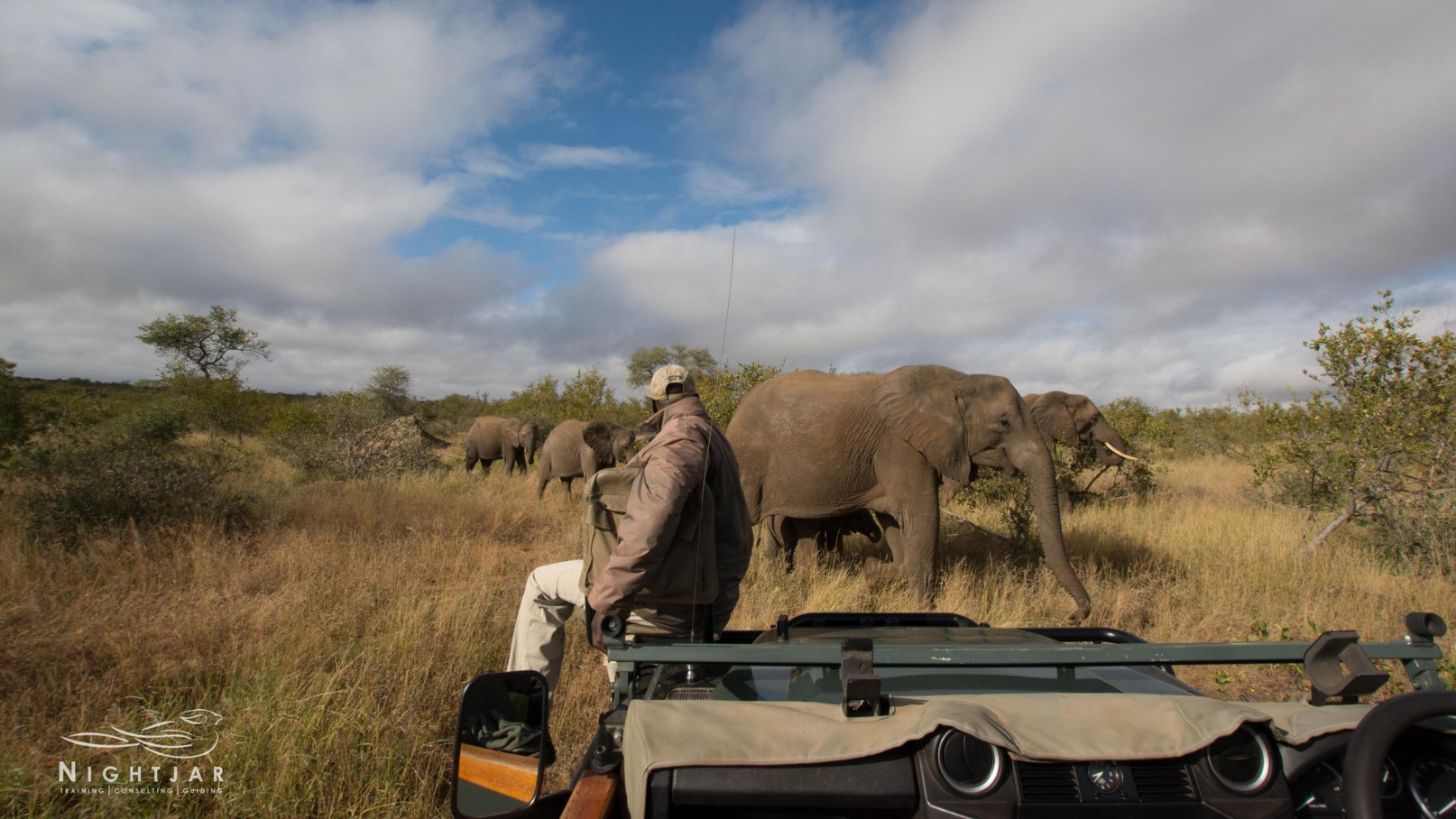
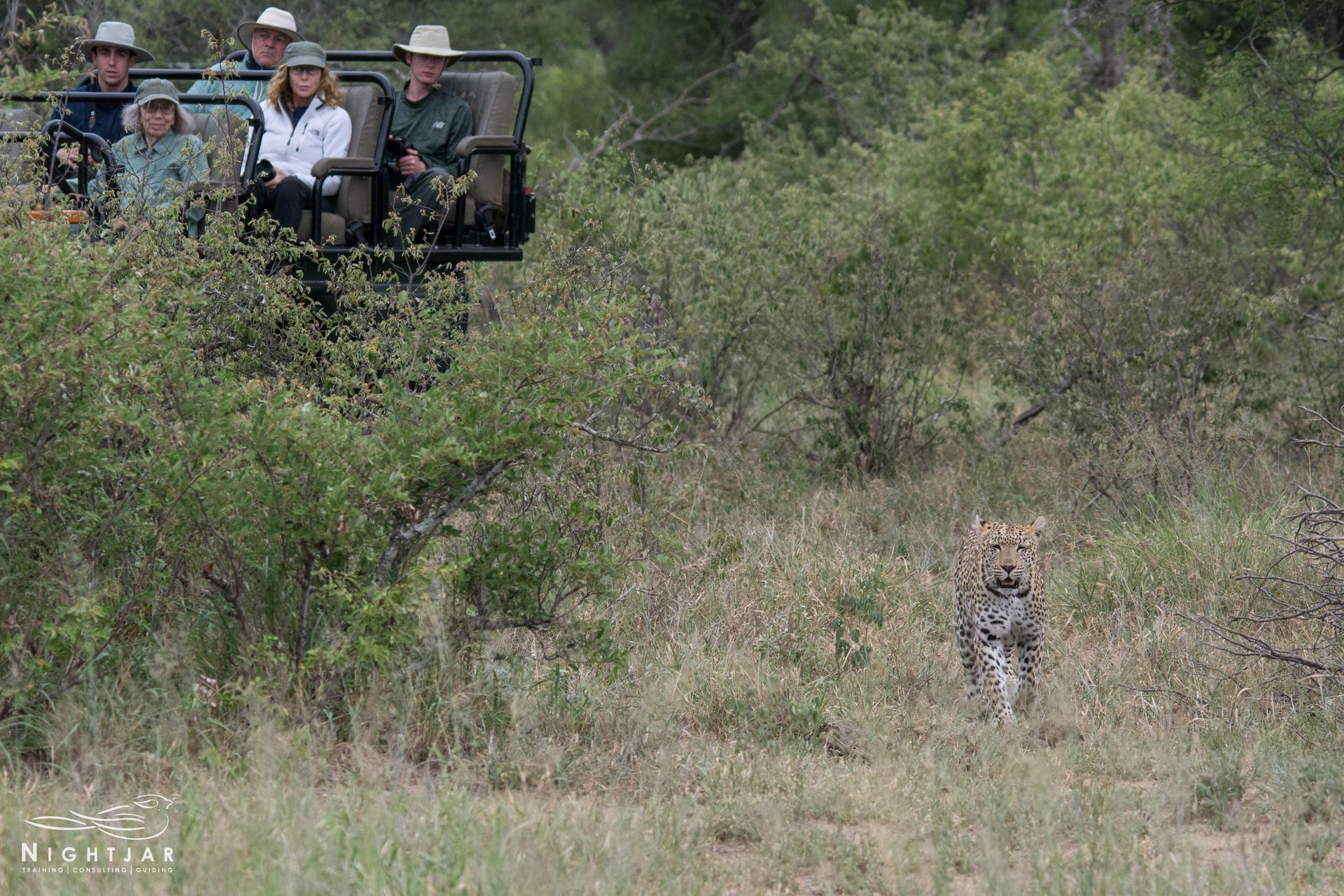
nature-positive and regenerative travel, guides are becoming the primary translators of ethical wildlife experiences. Managing expectations around animal behaviour, vehicle pressure, and environmental impact is now part of the job.
The modern guide explains why restraint matters, framing ethical decisions as part of the experience rather than a limitation. Calm authority and ecological understanding are key traits in 2026.
The Rise of Night-Time and Immersive Experiences
Night drives, guided walks, sound-based experiences, and dark-sky interpretation are growing rapidly. Guests are seeking immersion - not just visuals, but atmosphere, sound, and story.
Guides with knowledge of nocturnal ecology, astronomy, and night-time safety will find increasing opportunities to offer memorable, low-impact experiences that deepen guests’ connection to wild places.
Naturalists Over Encyclopaedias
In 2026, the most valued guides are not necessarily those who know the most facts, but those who
understand patterns. Linking rainfall to insect activity, explaining seasonal movements, and interpreting ecological change all elevate the guest experience.
Systems thinking, observation, and storytelling now matter more than memorisation.
Authentic Voices Are the Future of Guiding
Perhaps the biggest change is that
authenticity is winning. Guests respond to guides who are genuine, curious, and willing to share their own learning journeys and perspectives.
The era of the scripted safari is fading. In its place is the real human guide - observant, thoughtful, and deeply connected to the natural world.
What 2026 Ultimately Favors
Nature guiding in 2026 rewards those who:
- Treat guiding as a profession
- Focus on interpretation rather than spectating
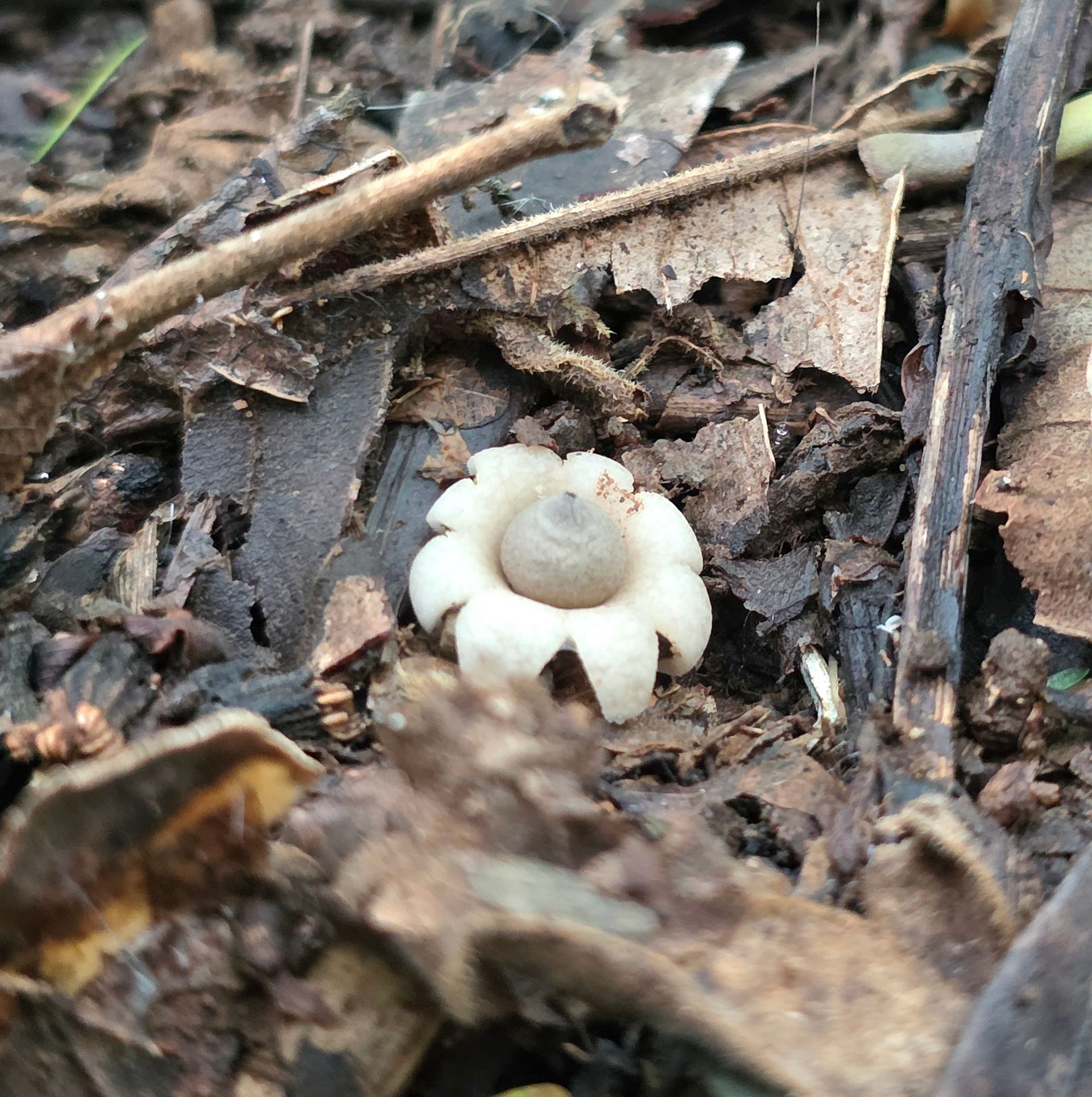
- Celebrate birds, plants, and overlooked species
- Communicate ethical wildlife practices confidently
- Offer immersive, sensory-rich experiences
- Think like naturalists, not checklists
- Guide with authenticity and curiosity
Looking Ahead
2026 is shaping up to be a defining year for nature guiding. It favours depth over drama, understanding over accumulation, and connection over consumption. For guides willing to grow, adapt, and lean into the role of interpreter and storyteller, the future of guiding has never looked more promising.
Until Next time,
Charles & The Nightjar Team
www.nightjar.co.za