
Authenticity Is the New Luxury: How Guides and Lodges Can Win in the Age of AI

Charles Delport • May 7, 2026

A practical playbook for protecting ethics, reducing pressure, and delivering unforgettable safaris without chasing perfection

Termite Mound

Why authenticity is becoming more valuable

Research in tourism and hospitality increasingly points to a simple truth: people care about credibility. When content feels misleading, trust drops. When it feels transparent, trust rises. 


Safari is a high-emotion, high-investment experience. Guests arrive with big hopes, and often with limited time. That makes expectation management even more important.


So the question is not “How do we compete with perfect images?”

The question is “How do we make real safaris feel richer than a feed?”


The guide is the antidote to artificial perfection. 

AI can generate an image. It cannot generate the journey.


A professional guide brings what no algorithm can replicate:

• Local knowledge and current context

• Ethical judgement in real time

• Interpretation of behaviour and ecology

• Calm leadership under pressure

• Story, meaning, and connection


FGASA’s standards speak directly to this professionalism, including reliable information, safety, respect for people and the environment, and responsible conduct that causes the least possible damage. 


When guiding is done well, the guest does not feel deprived by a “missed” sighting. They feel enriched by a real experience.
In Part 1, we spoke about the expectation gap that AI-generated wildlife imagery can create, and how that gap can place pressure on guides, operators, and wildlife.


Part 2 is about the opportunity.


Because if “perfect” becomes cheap, then authentic becomes premium.

In safari, authenticity is not a marketing buzzword. It is the foundation of trust, the heartbeat of guiding, and one of the most powerful differentiators South Africa still has.


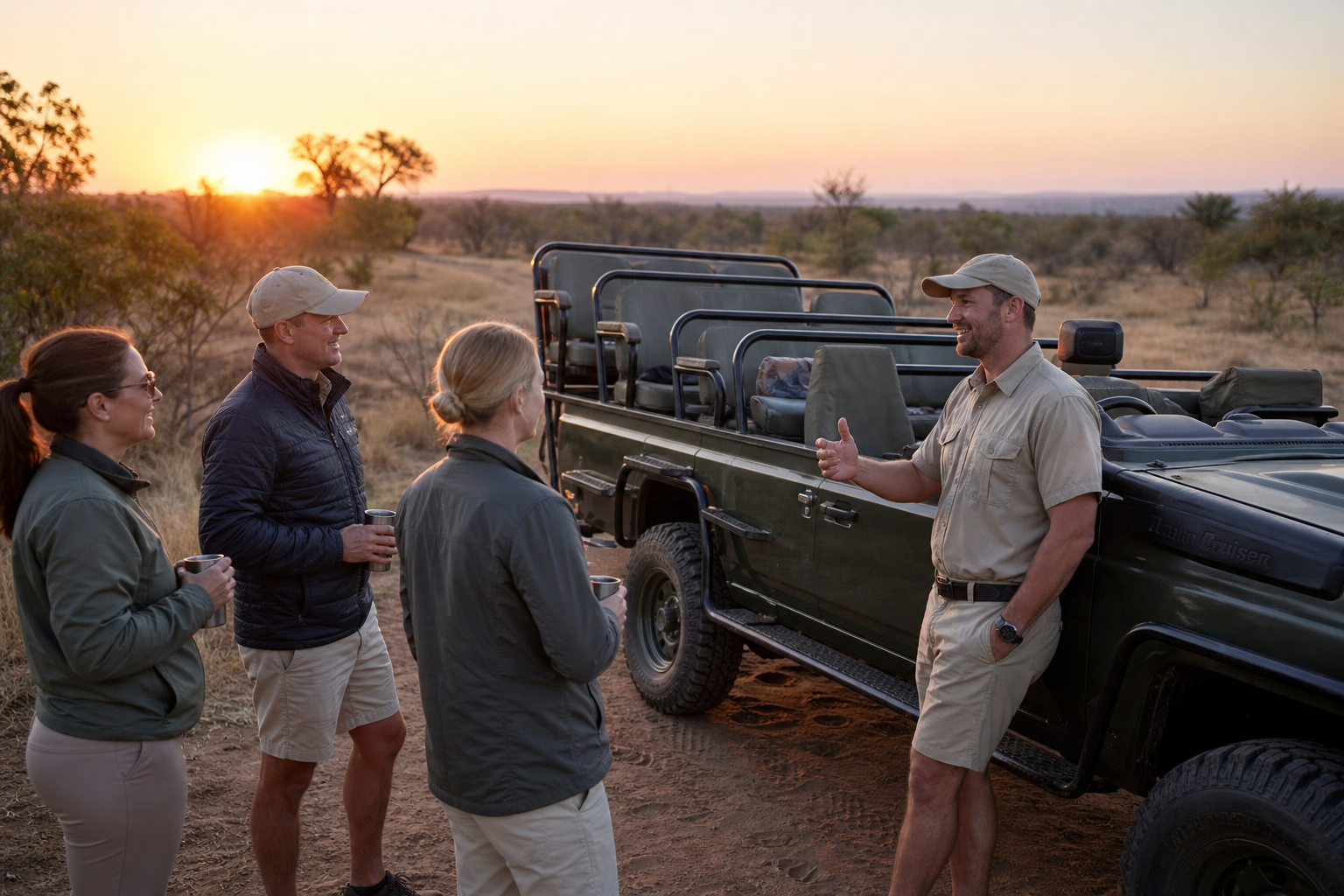
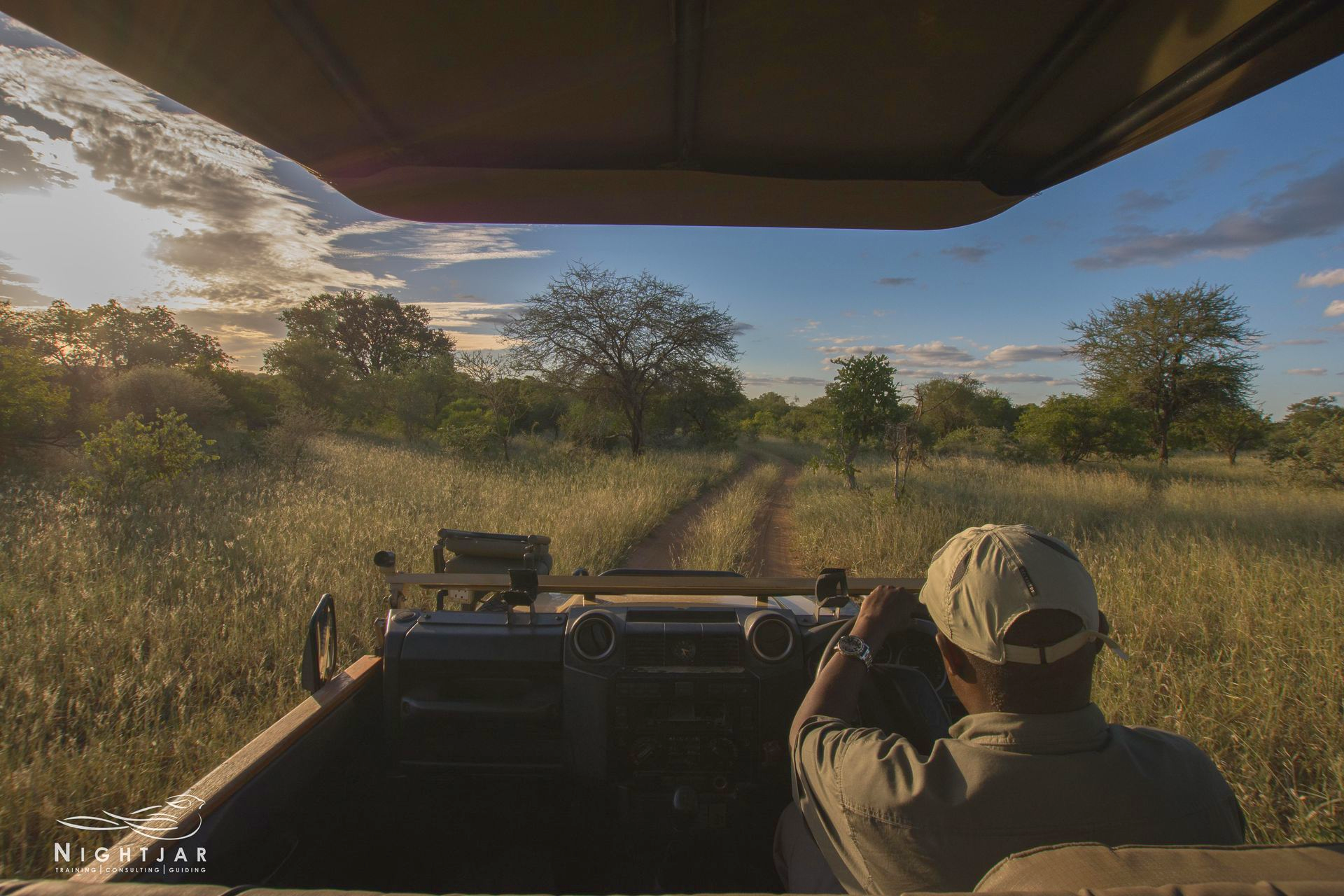
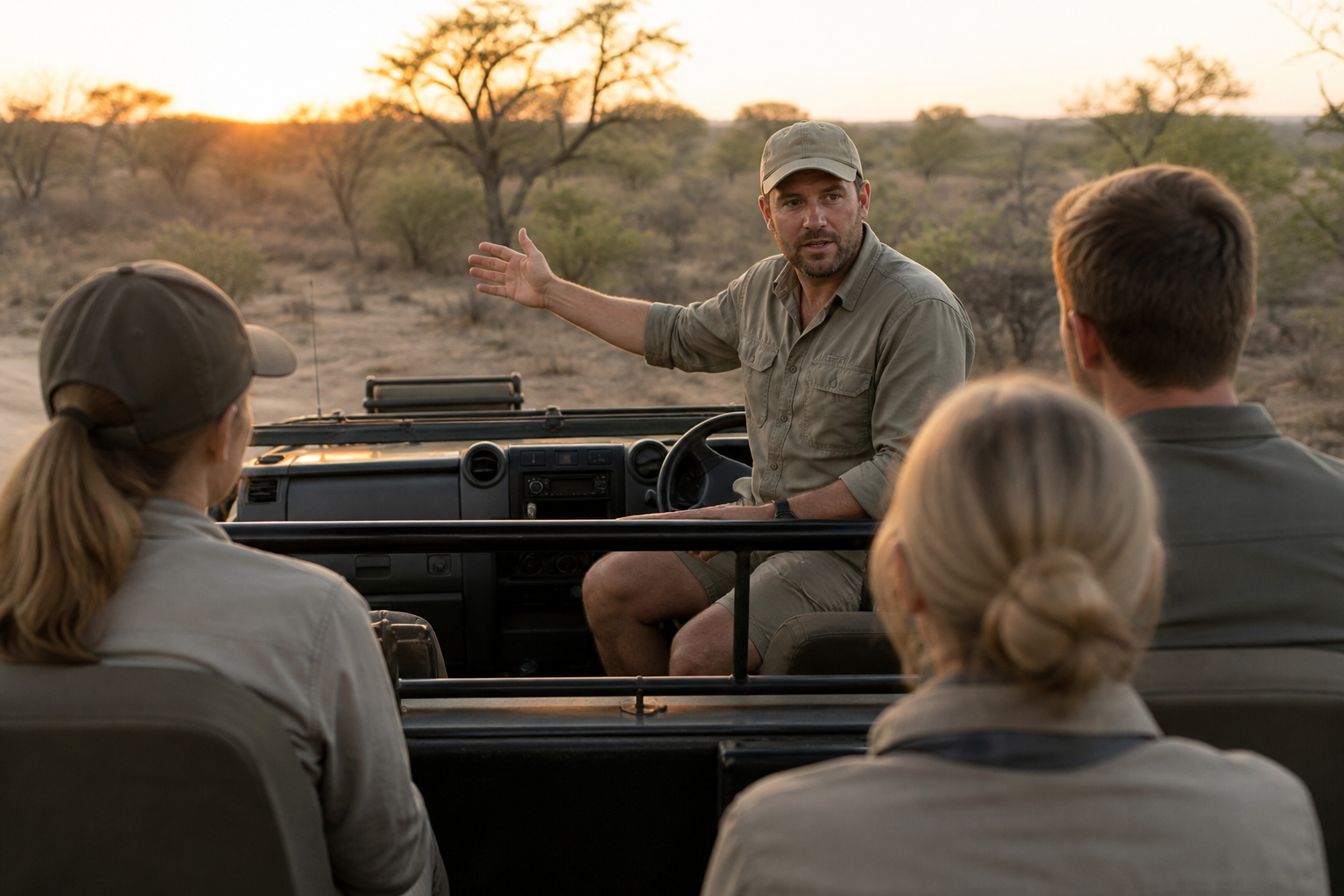
Guide on Safari

A practical playbook for guides


Here are tools that work in South African safari environments, especially during busier periods:


1) Start the drive with a “real safari” framing


A 30-second briefing changes the entire trip:

• “Safari is not a checklist, it’s a living system.”

• “Some days are quiet, some explode.”

• “Our job is to protect the animals and interpret what we see, not manufacture moments.”

This protects you later when pressure rises.


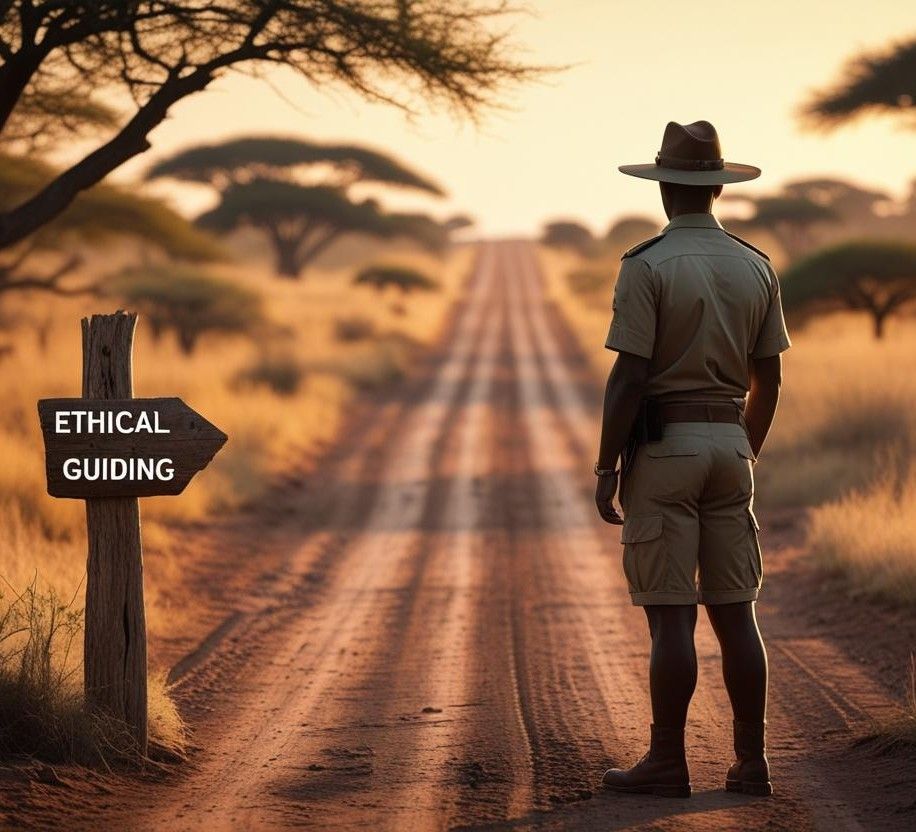
2) Make ethics part of the privilege


Instead of “we can’t,” use “we choose to.”

• “We keep a respectful distance so we don’t change the animal’s behaviour.”

• “If we pressure it now, we lose the natural moment we came for.”

This aligns with professional codes and protected area rules around safe, responsible conduct and avoiding disturbance. 


3) Build “micro-peaks” throughout the drive


Guests remember peaks. If you only aim for one big moment, you create pressure.

Instead, create multiple smaller wins:

• A short tracking moment

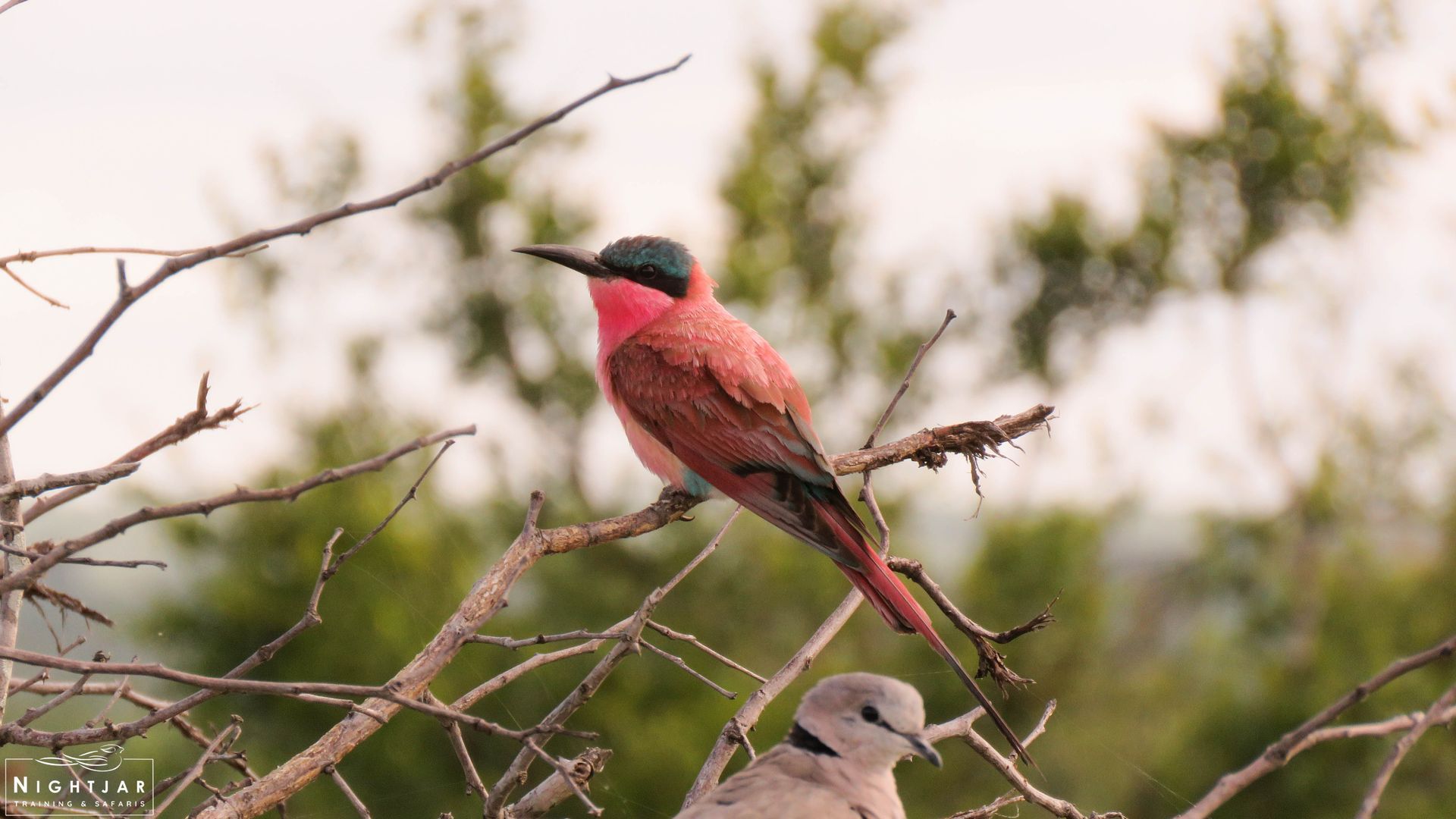
• A bird behaviour story

• A plant, insect, or spoor interpretation

• A weather pattern link to animal movement

• Astronomy interpretation on drives where suitable and safe

This reduces reliance on “the perfect shot.”


4) Use phones without letting phones run the safari


You do not need to fight technology, but you can lead it:

• Suggest a “camera down” minute at certain moments

• Encourage guests to take one photo, then watch the behaviour

• Explain that constant movement and repositioning disrupts the sighting for everyone.


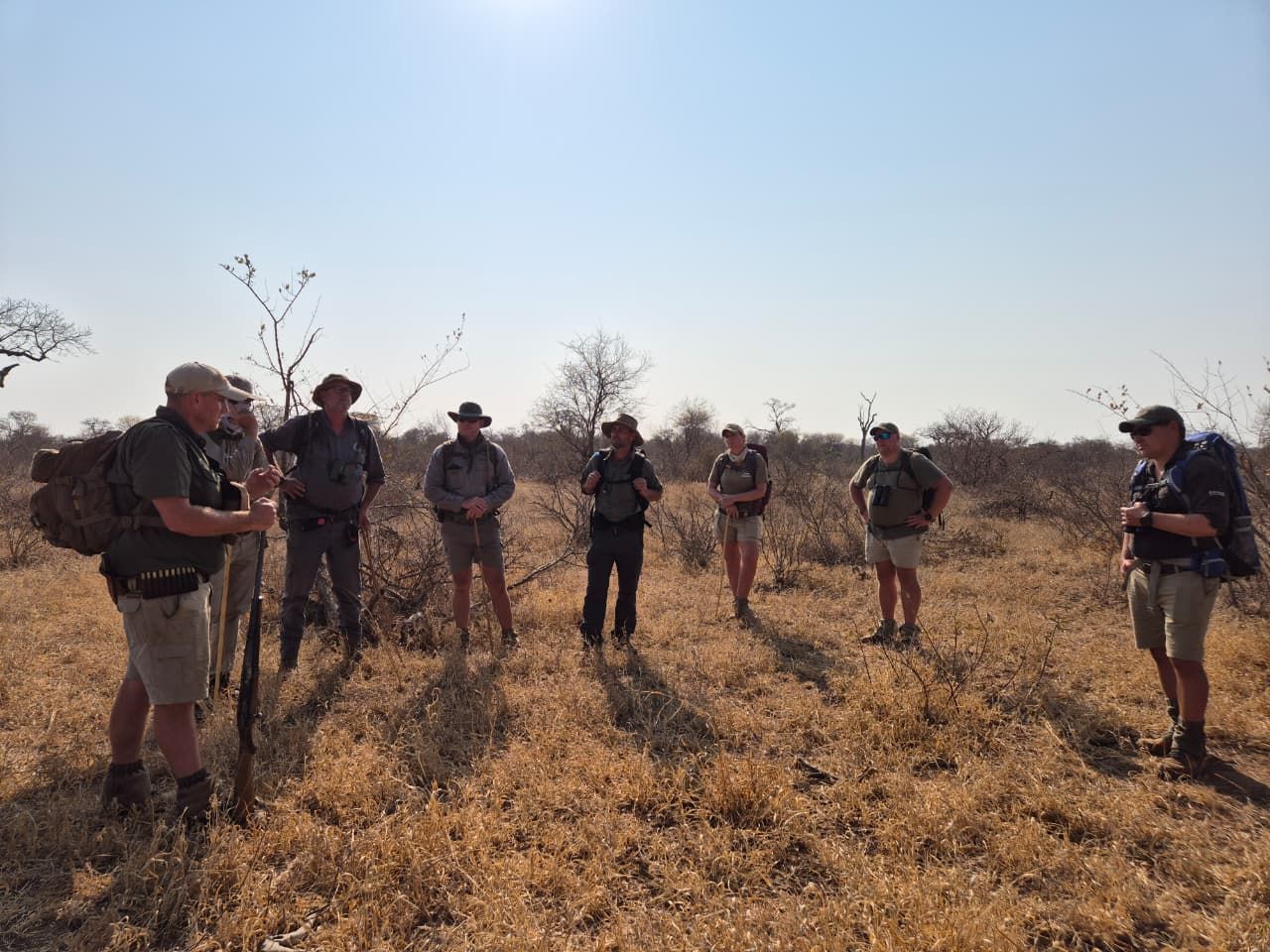
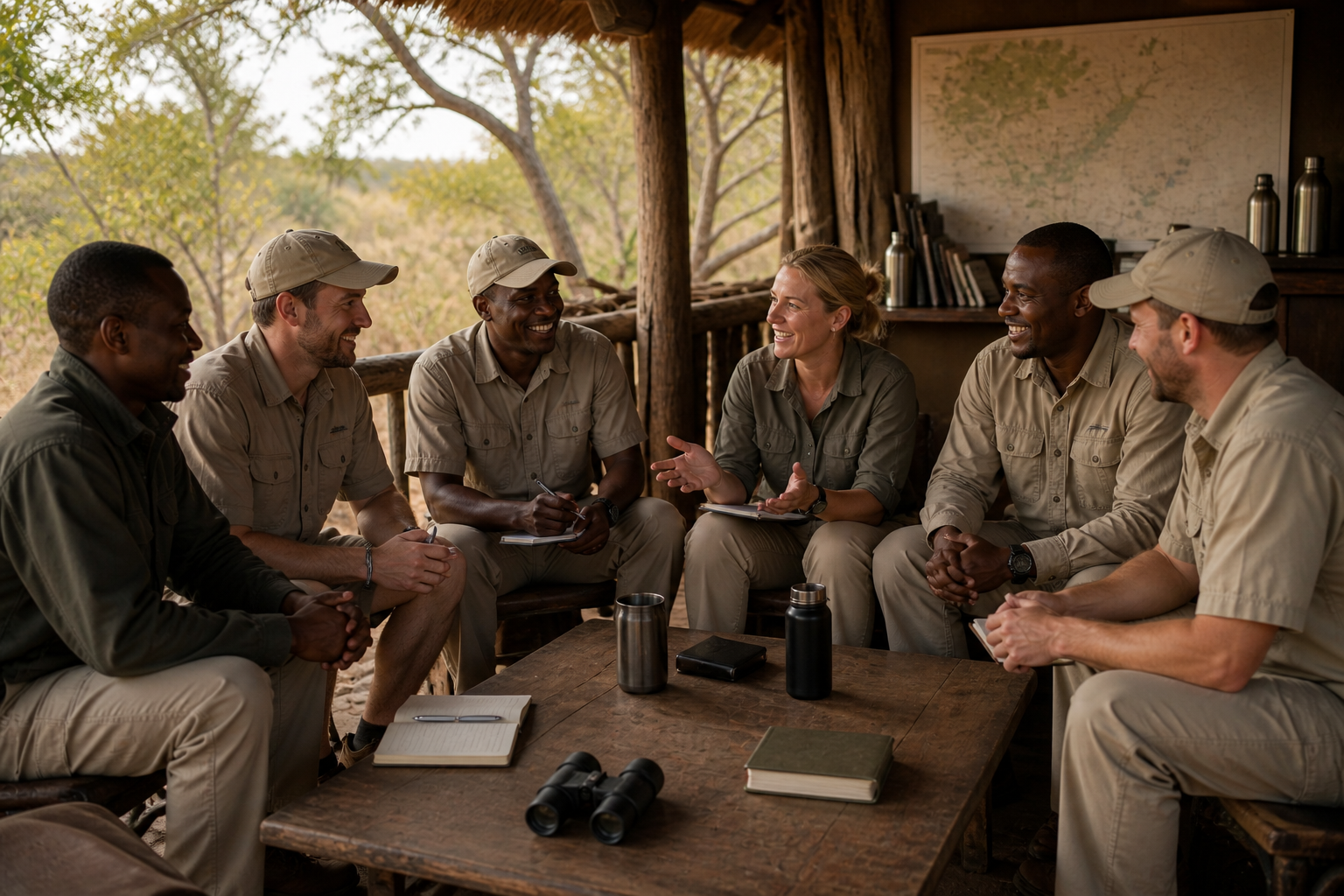
Guiding Team Meeting

What lodges and operators can do:


Guides can only uphold standards if the system supports them.


1) Set expectations before arrival

Your pre-arrival mail is your strongest tool:

• Use honest language: “wildlife sightings vary”

• Share recent real photos, not only curated hero shots

• Frame “quiet moments” as part of the experience

If AI imagery is ever used for marketing, label it. Transparency protects credibility. 


2) Think carefully about what your social media is training your guests to expect


More guests today book directly, or because they follow a lodge or guide’s social media page. That is an opportunity, but it comes with responsibility.


A feed built entirely around exceptional moments, the big kills, the perfect light, the rare encounters, is quietly setting a benchmark for every guest who books through it. They may not consciously realise it, but their expectation has been shaped long before they arrive.


The most effective social media strategies for lodges and guiding operations do not just chase engagement. They build an honest picture of what the experience actually involves. A post about a quiet morning. A track that was followed but never resolved. A birding story that took half a drive to tell. This content does two things: it attracts the right guest, and it subtly prepares them for reality.

Your social media is your first briefing. Use it like one.


3) Back your guides publicly and privately

During peak season, it is easy for ethics to slip if performance is rewarded more than professionalism.


Make it clear to guests that:

• Your operation prioritises ethical viewing

• Your team follows professional standards

• Your guides are empowered to say no when it protects wildlife


4) Keep standards consistent across the team

The fastest way to lose guest trust is inconsistency:

• One guide says “we don’t do that,” another quietly does

• One vehicle behaves ethically, another crowds the sighting


Consistency is culture, and culture protects wildlife.


Using AI as a tool, not a threat

Much of this series has focused on the risks AI poses for expectation management and authenticity. But used wisely, AI is also a genuine asset for guides who want to grow, prepare, and perform at a higher level.

Guide writing Exam

Study and exam preparation

Guides preparing for FGASA assessments can use AI tools to generate practice questions, test their identification of species or tracks, and explore ecology topics they find difficult. It is like having a study partner available at any hour, patient enough to go over the same concept as many times as needed. The key is to cross-check AI answers against reliable sources, since AI can be confidently wrong on highly specific content.


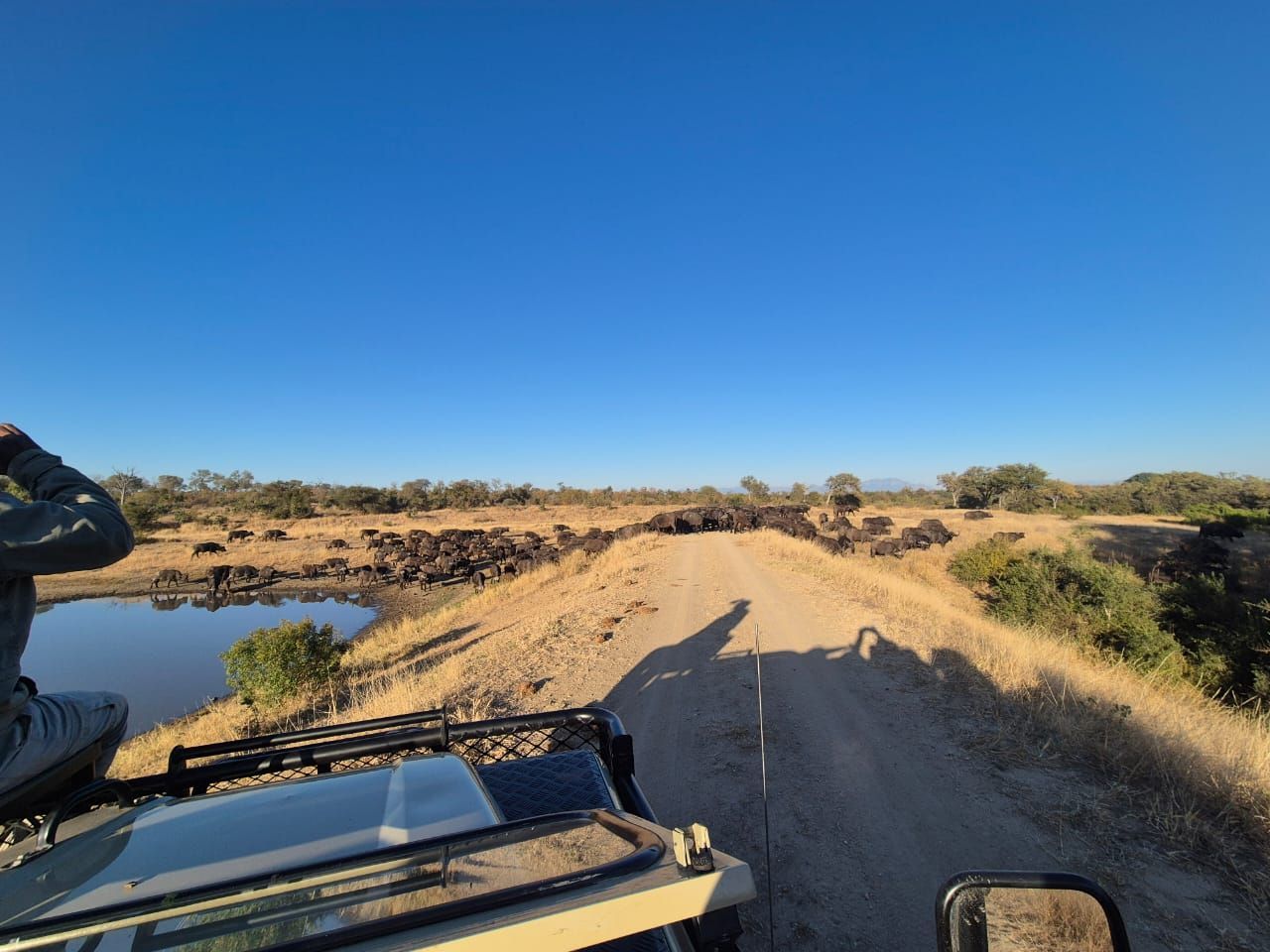
Safari Stop

Guest communication and briefing scripts

AI can help guides draft pre-arrival communication, refine safety briefing language, or workshop how to respond to difficult guest questions. Guides who are not confident writers in English can use AI to polish their words without losing their own voice. This is especially useful when working with guests from different cultural backgrounds who may need a different framing of the same message.


Deepening ecological knowledge between drives

When a guest asks a question that catches a guide off guard, AI can help them research and understand the topic afterwards so they are better prepared next time. A guide can ask an AI tool to explain a complex ecological relationship, the history of a species’ range, or the pharmacology of a plant used in traditional medicine. This kind of curiosity-driven learning is what separates good guides from great ones.


The boundary matters: AI informs the guide before and after the drive. On the drive itself, the guide’s own judgement, observation, and connection with the environment is what guests are paying for.


A closing reflection

But the future of safari belongs to those who show the truth, even when it is messy. The real early mornings, the long waits, the missed sightings, the rare moments that arrive on nature’s terms.

Authenticity is not just a value, it is a strategy.

And in South Africa, where guiding is becoming increasingly professionalised, that strategy belongs in every lodge briefing room, every training plan, and every safari vehicle.


Missed Part 1? Read it here: AI Impact on the Industry – Part 1


Until next time,
Charles & The Nightjar Team
www.nightjar.co.za


Sources:

  • FGASA Guiding Principles and Code of Conduct.
  • FGASA overview on benchmarks, ethics, and professional excellence.
  • SANParks Rules and Regulations (driving conduct, no disturbance, staying on roads).
  • Kruger National Park OSV Programme, Code of Conduct.
  • “Distinguishing AI-generated versus real tourism photos…” Information Processing & Management (2025).
  • TUI research summary on AI images and trust (2025). 


By Charles Delport April 22, 2026
Why “perfect” wildlife content can quietly increase pressure on guides, operators, and wildlife, and how we protect the real safari experience.
By Charles Delport January 30, 2026
Looking at the year ahead for nature guides and why interpretation, professionalism, and authentic connection now define exceptional guiding.
By Charles Delport December 11, 2025
Where gratitude meets growth: reflections on our tenth year
By Charles Delport November 17, 2025
The Quiet Before the Storm: Preparing Mindsets for the Season Ahead
By Charles Delport October 18, 2025
From Birding to Astronomy to Dangerous Game, Charles Delport reflects on two decades of guiding, mentorship, and lifelong learning in the African wilderness, after achieving his 3rd SKS qualificaiton.
By Charles Delport October 6, 2025
What began as a vision to train and inspire guides has become a decade-long journey of growth, mentorship and unforgettable safari moments.
By Charles Delport September 18, 2025
Where Water Meets Wilderness: A Nature-Lover’s Guide to Vic Falls & Surrounds
By Charles Delport September 6, 2025
Professional growth isn’t a luxury - it’s essential for long-term success and fulfilment in the field.
By Charles Delport August 1, 2025
The Hidden Cost of Unethical Guiding: Why It Hurts Wildlife, Guests & the Safari Industry 
MentalHealthMatters
By Charles Delport July 26, 2025
“mental health for safari guides” “wellbeing in remote tourism jobs” “burnout in the guiding industry” “safari lodge staff mental health support”