When the “perfect shot” becomes an unspoken demand, it can influence behaviour in subtle ways:
• Staying longer at a sighting than is appropriate
• Pushing for closer positioning, better angles, more dramatic behaviour
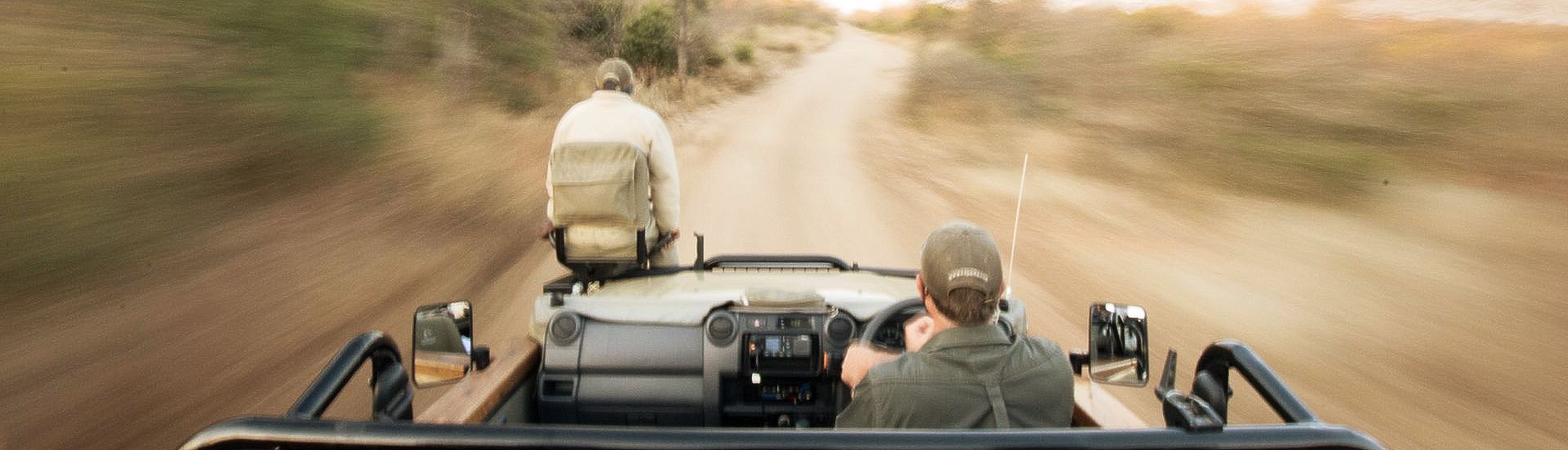
• Taking risks with vehicle placement, crowding, or timing
• Treating wildlife behaviour like a performance schedule, rather than a living system
For guides, the pressure is rarely direct. It is often implied. A guest is polite, but disappointed. A phone is constantly raised. A comment lands like a weight: “We saw this online yesterday, why can’t we find it today?”
For operators, the pressure can show up in reviews, guest feedback, and competitive comparison. In busy areas, it can also show up as vehicle density and an unspoken race to deliver “the moment.”
And for wildlife, the pressure is physical, repeated disturbance, more engines, more noise, more vehicles, and less space for normal behaviour.
Why ethical boundaries can slip when perfection is expected
Ethical boundaries are rarely pushed by bad intentions. They are pushed by small compromises, repeated often, under pressure.
That is why professional codes matter.
FGASA’s code of conduct is clear on professionalism, reliability, safety, and causing the least possible damage to the environment. It also emphasises correct, fair, unbiased information, and respect for the natural world.
Similarly, codes of conduct in protected areas and regulated guiding environments exist for a reason, to protect people, animals, and the integrity of the experience. For example, SANParks rules and operator guidance emphasise staying on designated roads, avoiding disturbance, and maintaining safe, lawful conduct around wildlife.
In other words, the “right way” is not optional. It is the foundation.