Why Guides Can Plateau After Qualifying, and What Mentoring Fixes

Charles Delport • October 23, 2026

A qualification tells you a guide reached a standard. It does not tell you what happens in year two.

As Head Trainer and a FGASA Assessor and Mentor, I see the same pattern again and again: within a year or two of qualifying, many guides stop growing. They are still good guides. They are still turning up early and working hard, just stuck in a rut. But the learning curve flattens, and for a lodge manager or head guide that quietly shows up in guest feedback, in repeat bookings and in how confident the team feels on the ground.


What a qualification proves, and what it cannot

A qualification proves that a guide met a defined standard on the day they were assessed. That matters, and it is the foundation everything else is built on.


What it cannot do is build daily judgment. Reading a sighting, pacing a drive, noticing the guest who has gone quiet, deciding when to stay with a sighting and when to move on: these are habits that develop through repetition and, just as importantly, through feedback. A certificate does not build those habits. The guide builds them, and only as well as the environment around them allows.


What the plateau looks like in the field

It rarely looks like a problem. It looks like competence settling into routine.

The routes get familiar, so the drives start to feel the same. The talking points settle into a script that works well enough, so they stop being refined. The questions guests ask begin to feel predictable, so the answers get shorter.

Sometimes it shows up as a guide driving past something interesting. Not because they do not know what to say about it, but because they have not rehearsed it enough to feel sure it will land. A sighting that does not fit the usual script feels like a risk, so the vehicle keeps moving. The knowledge is there. What is missing is the confidence to use it, and that comes from practising out loud and hearing honest feedback.

The night sky shows the same thing. How many guides on your team can confidently point out more than three or four constellations, and tell a story about each one? The sky is above every guest on every night drive, but if a guide has never been pushed to practise it, it stays a gap that nobody notices.

Nothing is wrong, exactly. But nobody is watching closely enough to say that something has gone quiet, and the guide is too close to their own habits to notice it themselves.

Why this is not a motivation problem

It is tempting to read a plateau as a guide losing interest, and to respond with a pep talk or a new target. That usually misses.

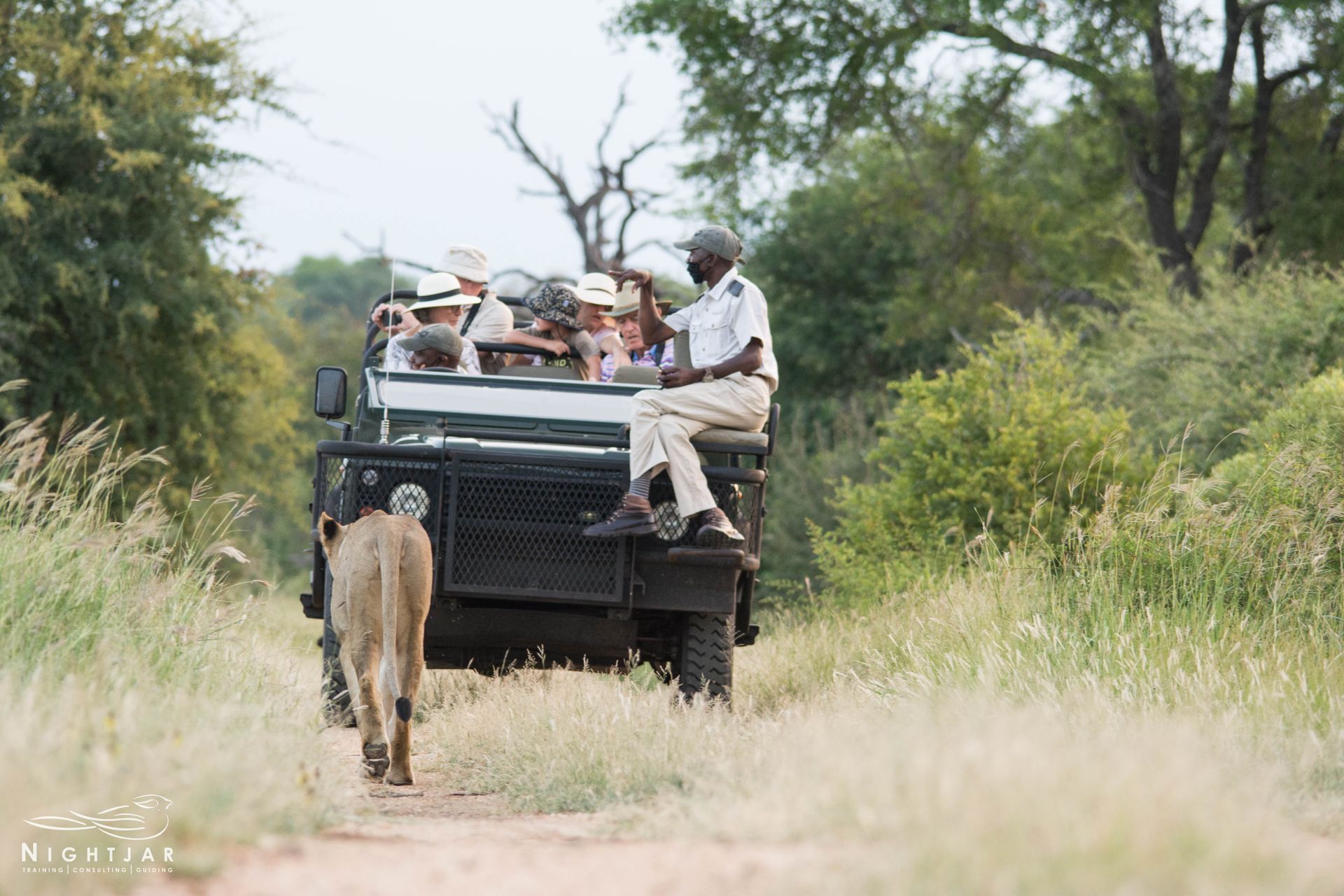
In my experience, the most common cause is the absence of feedback. In most lodges and reserves, a guide's day is spent alone with guests. Managers and head guides are busy, other guides are on their own drives, and the person who could point out a habit forming is rarely there to see it. Without an outside eye, even a conscientious guide has no way of knowing what they have stopped noticing.


So the fix is not more pressure. It is better observation.


Onsite mentoring puts a second, experienced pair of eyes next to your guide

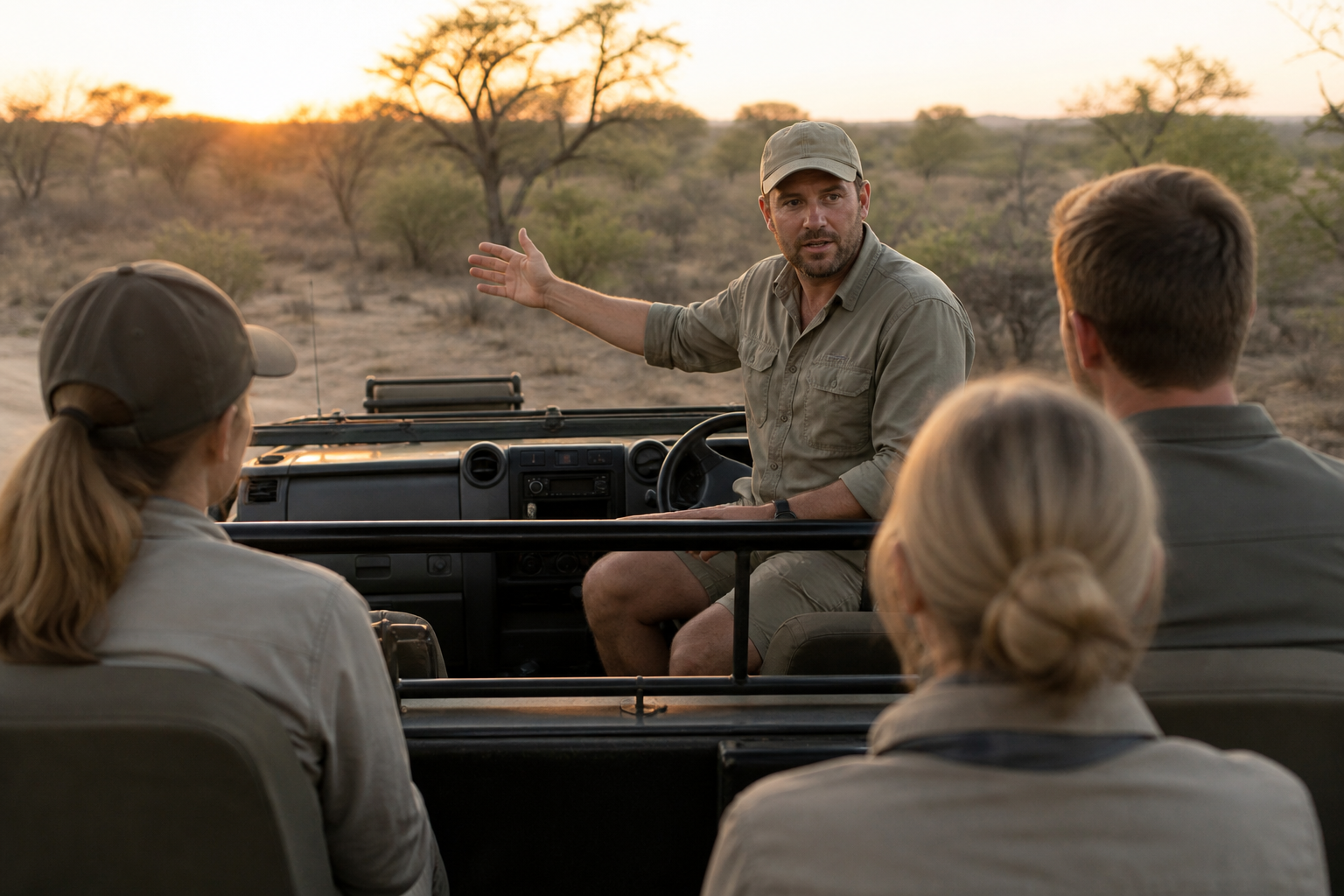
Nightjar's mentors and trainers come to your lodge or reserve and work on your ground, with your guests' kind of questions and your guide's real working conditions. Whether the focus is trails, general guiding skills or the next step on a qualification pathway, the approach is the same: someone who walks a long path alongside the guide, rather than a one-off course.


A good mentor knows the standard and stays with the guide long enough to see what has gone quiet. That might be a briefing that has become a recital, a sighting that is being rushed, or a subject the guide quietly avoids, whether that is snakes, trees, small birds or the stars. Those things are small, specific and fixable once someone names them.


The value is in the continuity. A single visit can lift a guide, but a mentoring relationship keeps the learning curve moving. Growth is rarely a straight line, and having someone alongside through the slow stretches is what keeps a guide developing long after the certificate is on the wall.


Questions worth asking about your own guiding team

If you manage a lodge or reserve, these are a useful starting point:

• When did someone last watch each of your guides work from start to finish, and give specific feedback?

• Which of your guides have been in the same role for a year or two without a development plan?

• Do your guests' reviews praise the same things about every guide, or has the team's range narrowed?

• Who is mid-pathway towards their next assessment, and what support do they have between assessments?

• When did a guide last change something about their drive because of feedback?


Let's talk

If your guiding team has stopped developing, it is worth a conversation. Tell us how many guides you have, how long they have been in role and what you would like to see change, and we will suggest what a mentoring plan could look like. Get in touch via www.nightjar.co.za to discuss onsite mentoring for your team.


By Charles Delport • October 6, 2026
What We Look For as Assessors: Preparing for Your Next Step
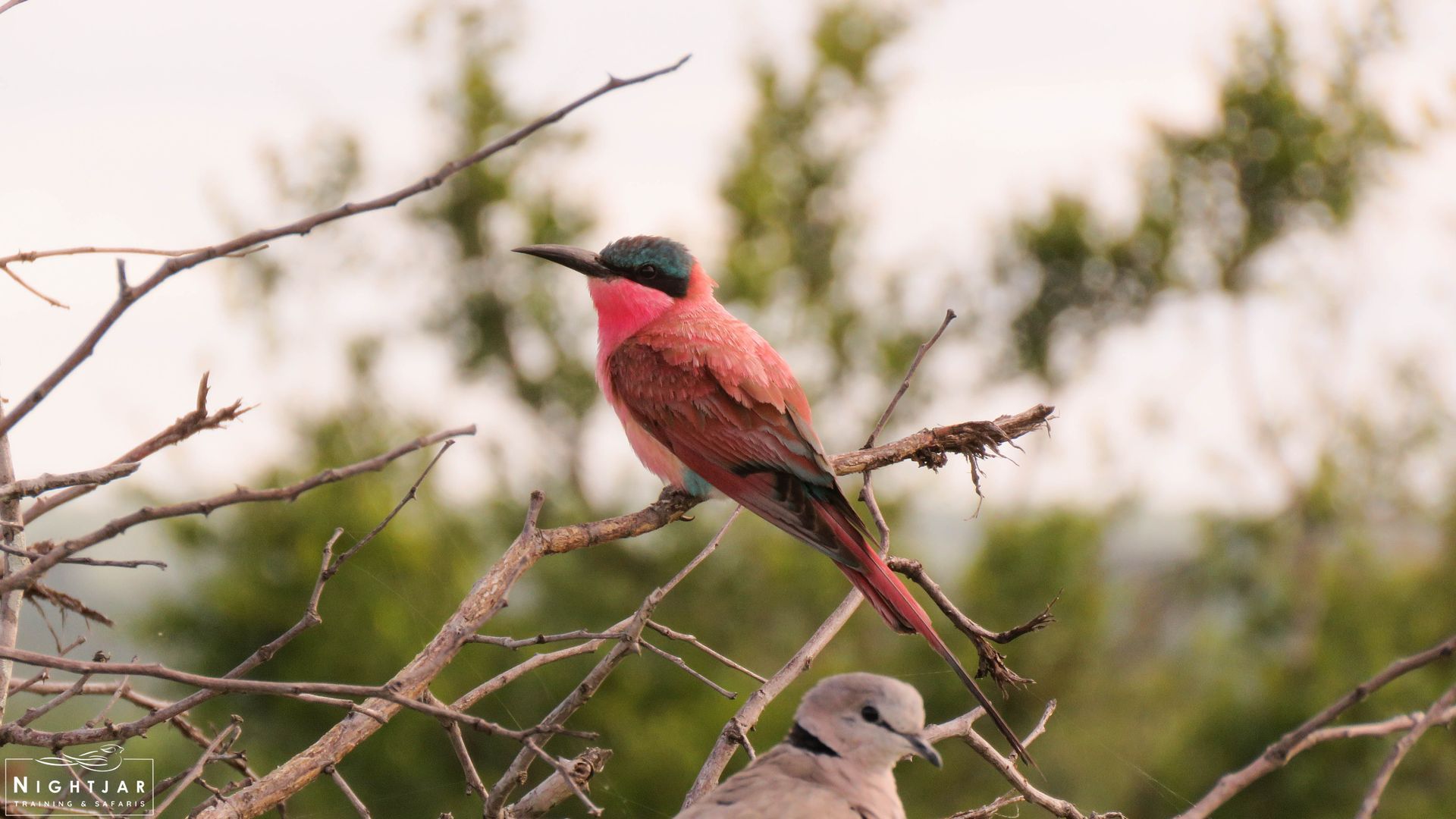
Southern Carmine Bee-Eater
By Charles Delport • September 5, 2026
When do the summer migrants arrive in the Greater Kruger? Average arrival dates from Wahlberg's Eagle in July to the Woodland Kingfisher in November.
By Charles Delport • May 7, 2026
A practical playbook for protecting ethics, reducing pressure, and delivering unforgettable safaris without chasing perfection
By Charles Delport • April 22, 2026
Why “perfect” wildlife content can quietly increase pressure on guides, operators, and wildlife, and how we protect the real safari experience.
By Charles Delport • January 30, 2026
Looking at the year ahead for nature guides and why interpretation, professionalism, and authentic connection now define exceptional guiding.
By Charles Delport • December 11, 2025
Where gratitude meets growth: reflections on our tenth year
By Charles Delport • November 17, 2025
The Quiet Before the Storm: Preparing Mindsets for the Season Ahead
By Charles Delport • October 18, 2025
From Birding to Astronomy to Dangerous Game, Charles Delport reflects on two decades of guiding, mentorship, and lifelong learning in the African wilderness, after achieving his 3rd SKS qualificaiton.
By Charles Delport • October 6, 2025
What began as a vision to train and inspire guides has become a decade-long journey of growth, mentorship and unforgettable safari moments.
By Charles Delport • September 18, 2025
Where Water Meets Wilderness: A Nature-Lover’s Guide to Vic Falls & Surrounds