Preparing for Your ARH Assessment

Charles Delport • November 19, 2026

Why mindset matters just as much as marksmanship.

We've seen both new and highly capable guides fall short in their FGASA ARH (Advanced Rifle Handling) assessments. It's rarely because they lacked technical skill. More often, they underestimated the mental and emotional preparation required.


These assessments don't just measure your shooting ability. They test your judgment under pressure, your composure, and your ability to execute familiar drills when your heart rate spikes. And to be clear, we're not trying to catch you out. We want to see the guide you'll be when it really matters: calm, safe, and in control.


What Does an ARH Assessment Day Look Like?


Formats may differ depending on assessor, and which candidates shoot in which order. Here's a typical flow based on FGASA requirements and Nightjar's mentoring experience.


1. Safety Checks and Briefing

Your day starts with a thorough firearm inspection. The assessor will check that your rifle is clean, well maintained, and in working order, and your ammunition will be examined for compliance and safety. The safety briefing then covers the range rules, the assessment structure, and what's expected for each drill. Use this moment to centre yourself. It's your chance to settle in before the pace picks up.


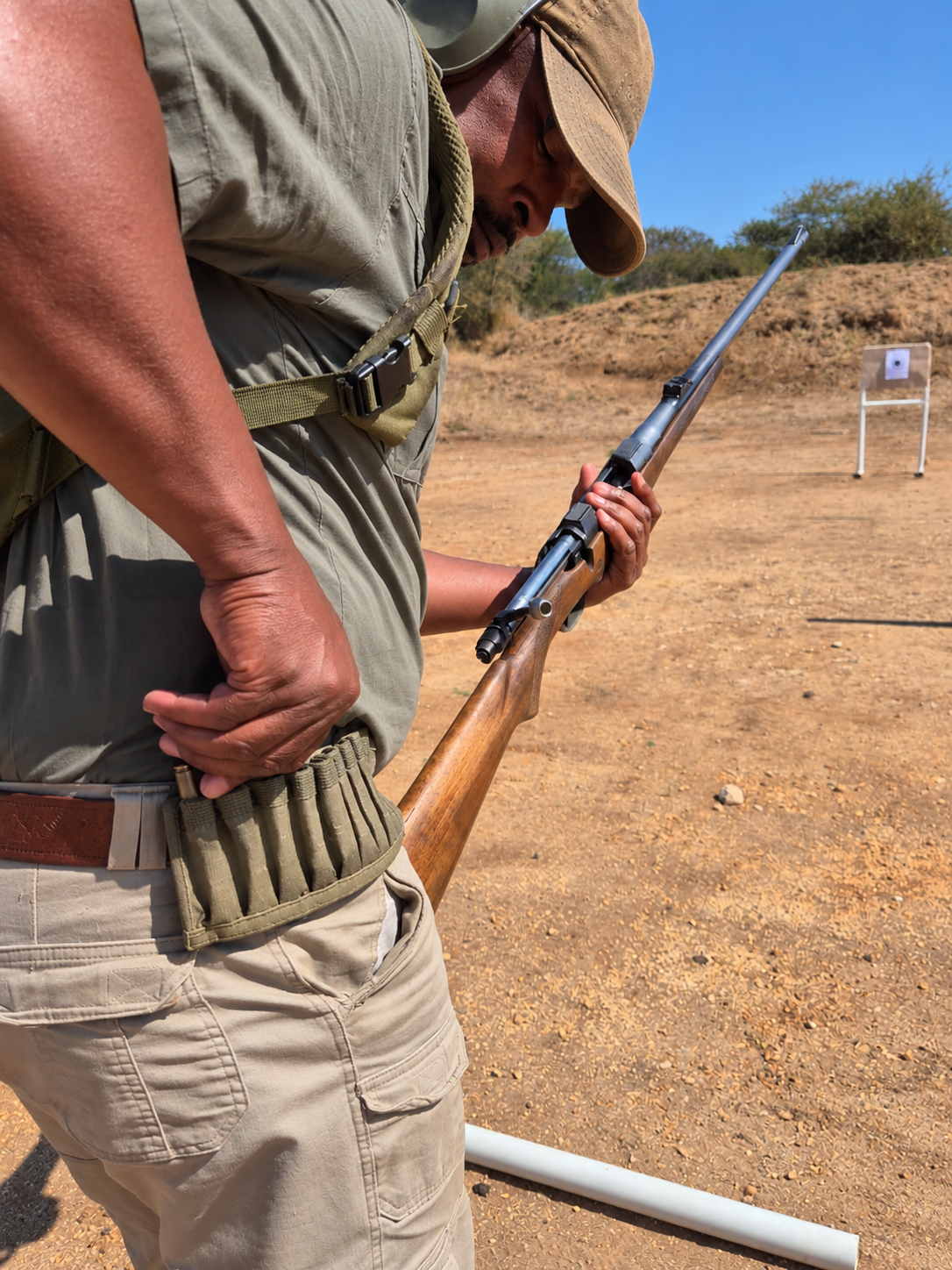
2. Blindfolded Loading and Unloading

This drill is all about muscle memory. You need to show that you know your rifle well enough to operate it without thinking. Smooth, safe, and confident movements here set the tone for the rest of the assessment.


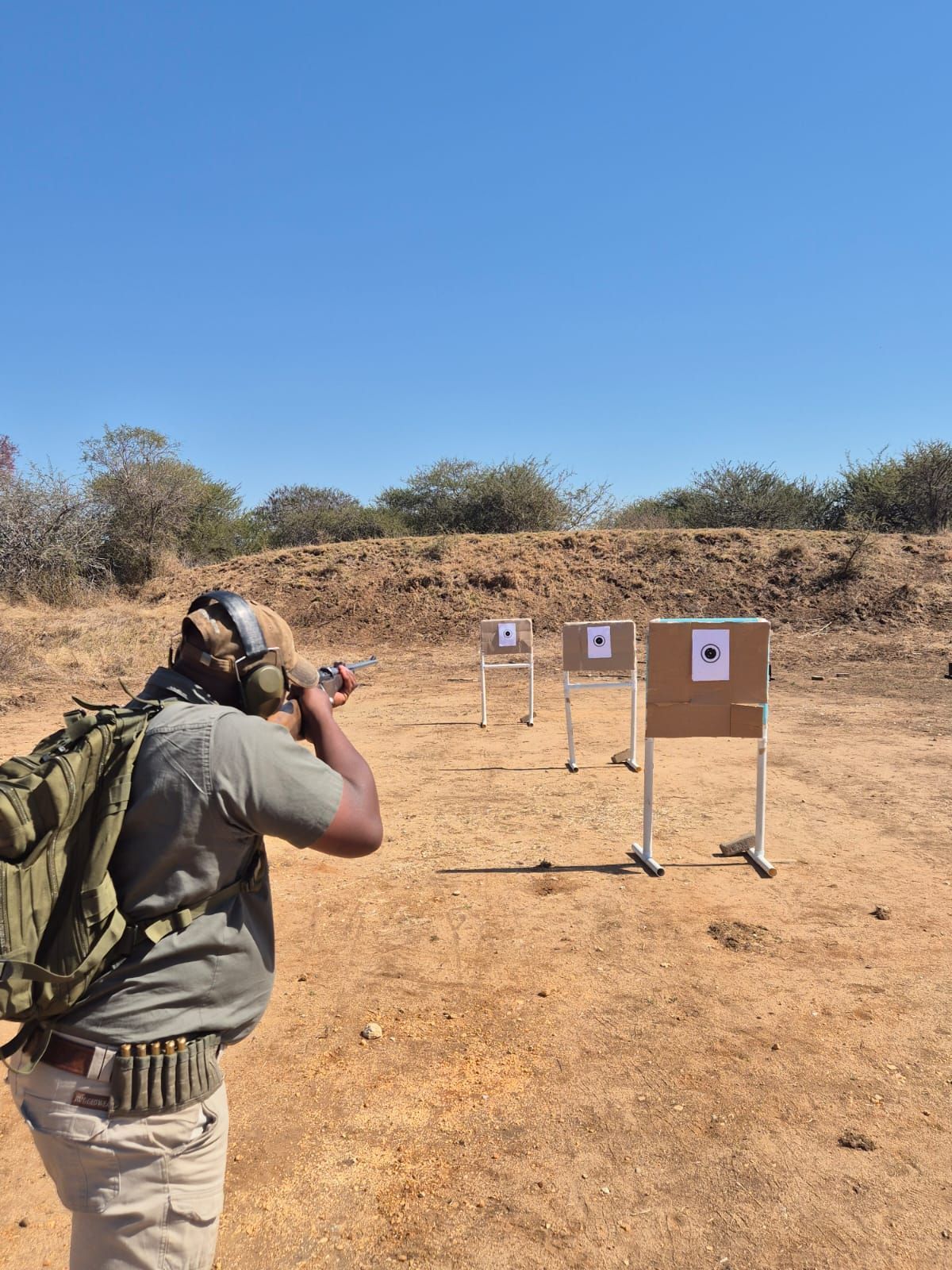
3. Accuracy Exercise

Think of this as a warm-up. It's designed to steady your nerves and show your proficiency without time pressure, so keep your shooting calm and controlled. This one isn't about speed.


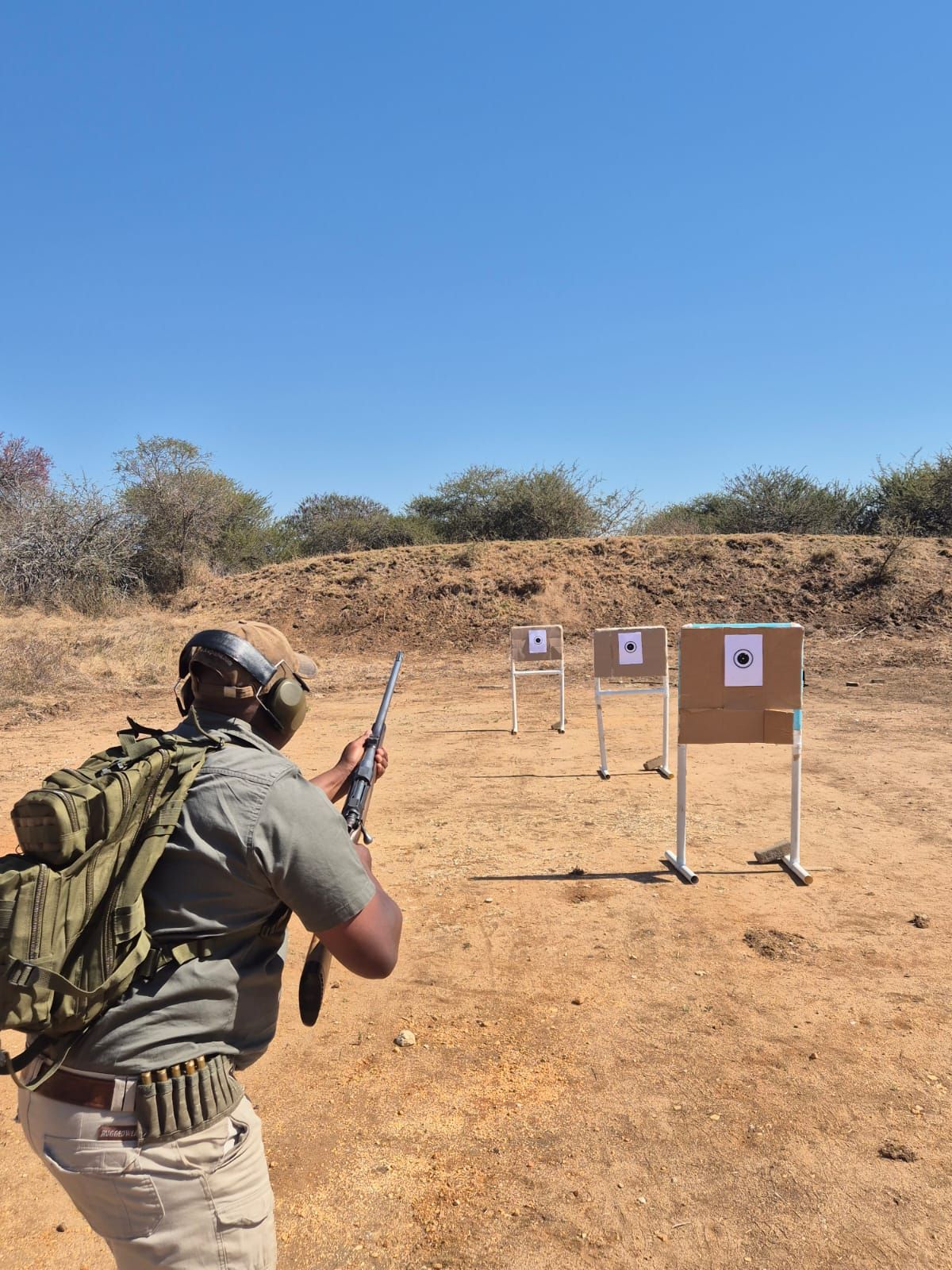
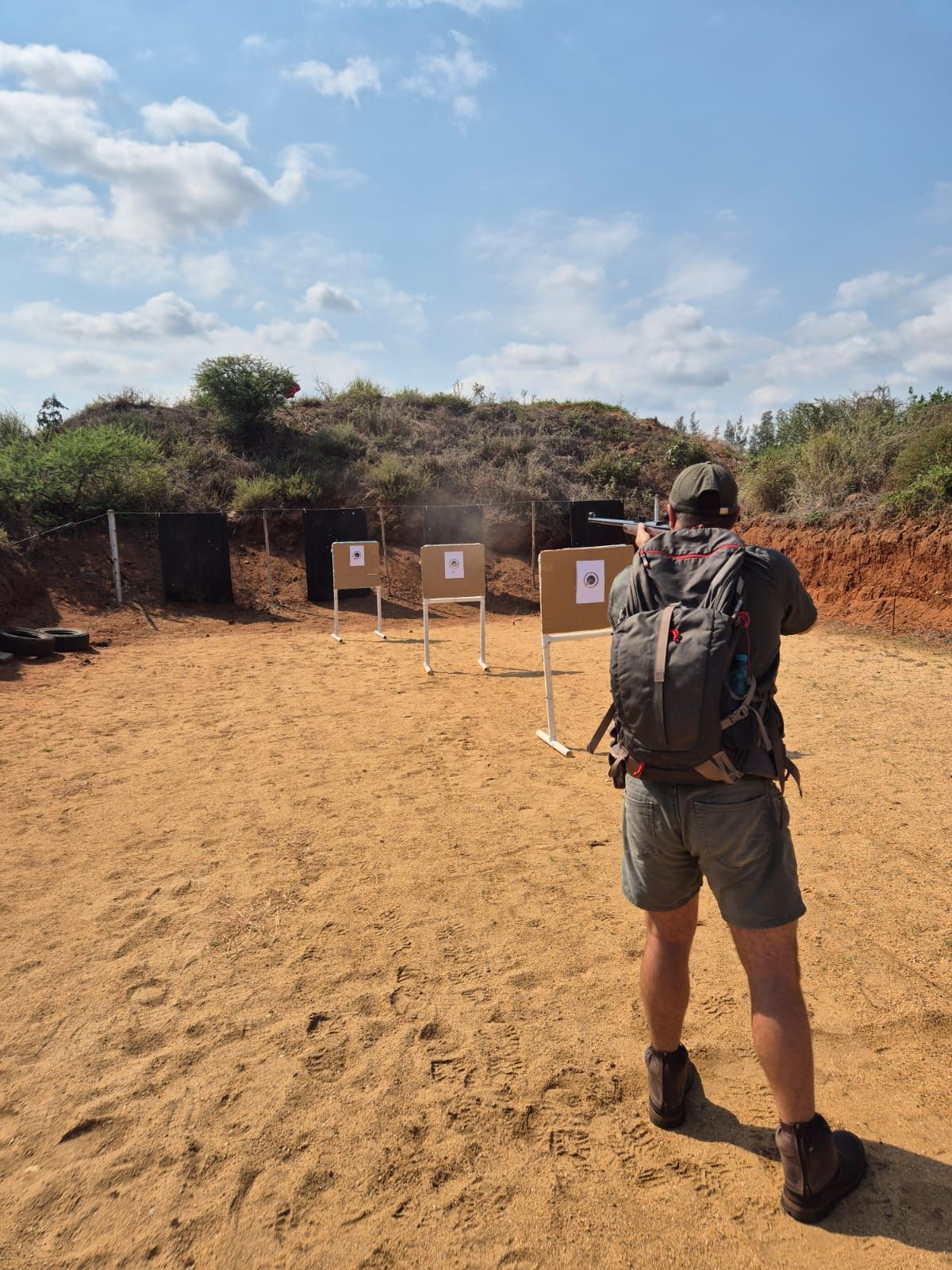
4. Distance Firing Drill

This timed exercise involves placing three shots on different targets. The key tip: don't look for the result. Assume each shot was placed perfectly and move on.

Quick bolt cycling matters, but so does form. Some guides shoulder-cycle, while others bring the rifle down to waist height for more control. Choose the method that works best for you, but practise until it's instinctive.


5. Immediate Action Drill

This one makes most guides nervous, but it's also the most forgiving in terms of time. The main goal is to remain calm, reload quickly, and not panic. Use both hands to reload efficiently, don't rush so much that your accuracy suffers, and let your muscle memory take over.


6. Shot Placement / Double-shoot

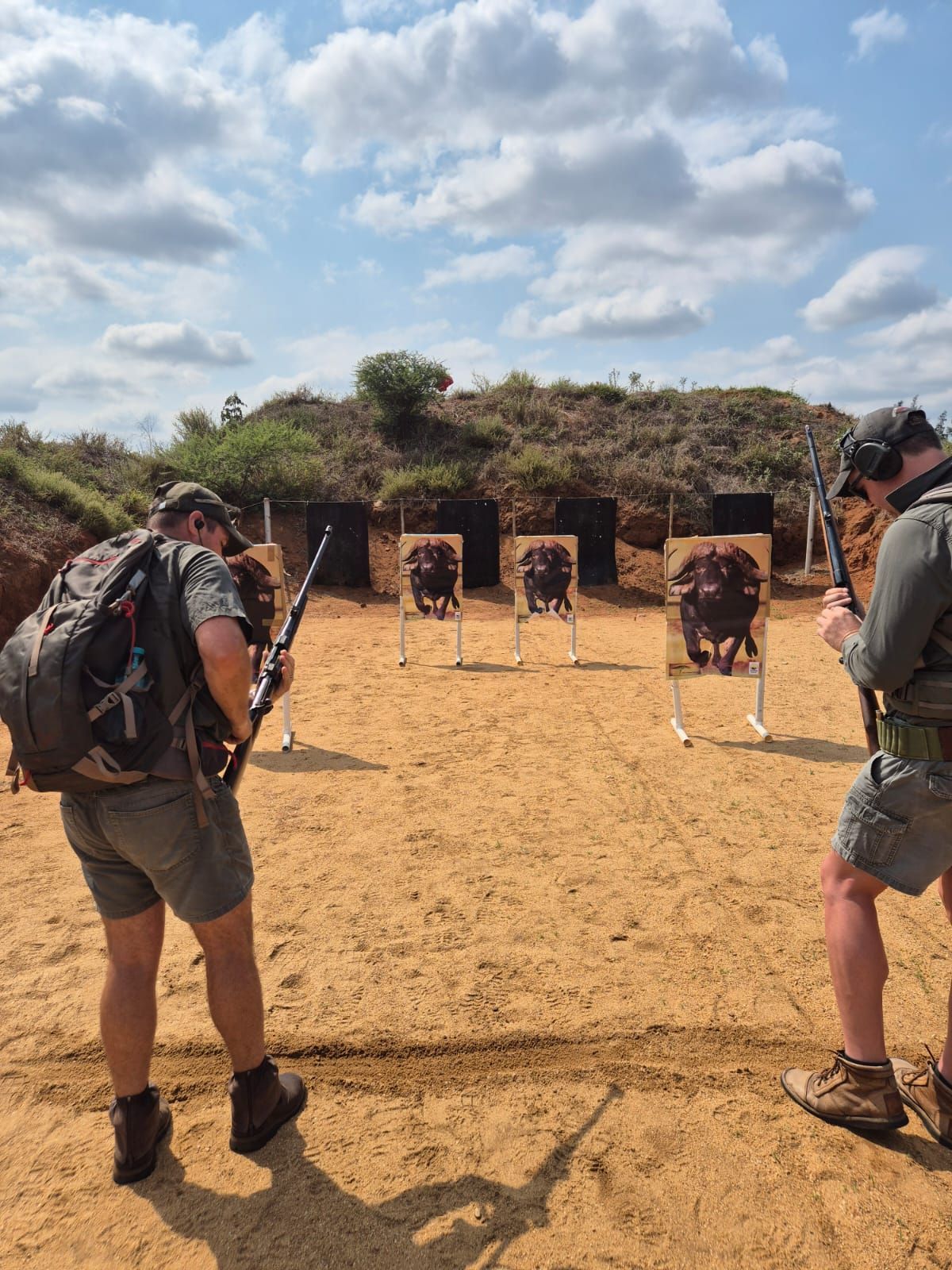
Many guides enjoy this one, but don't get complacent. Accuracy is everything. Make sure you know the exact kill zone on the targets you'll be using, and don't assume it's always the buffalo target. It varies!


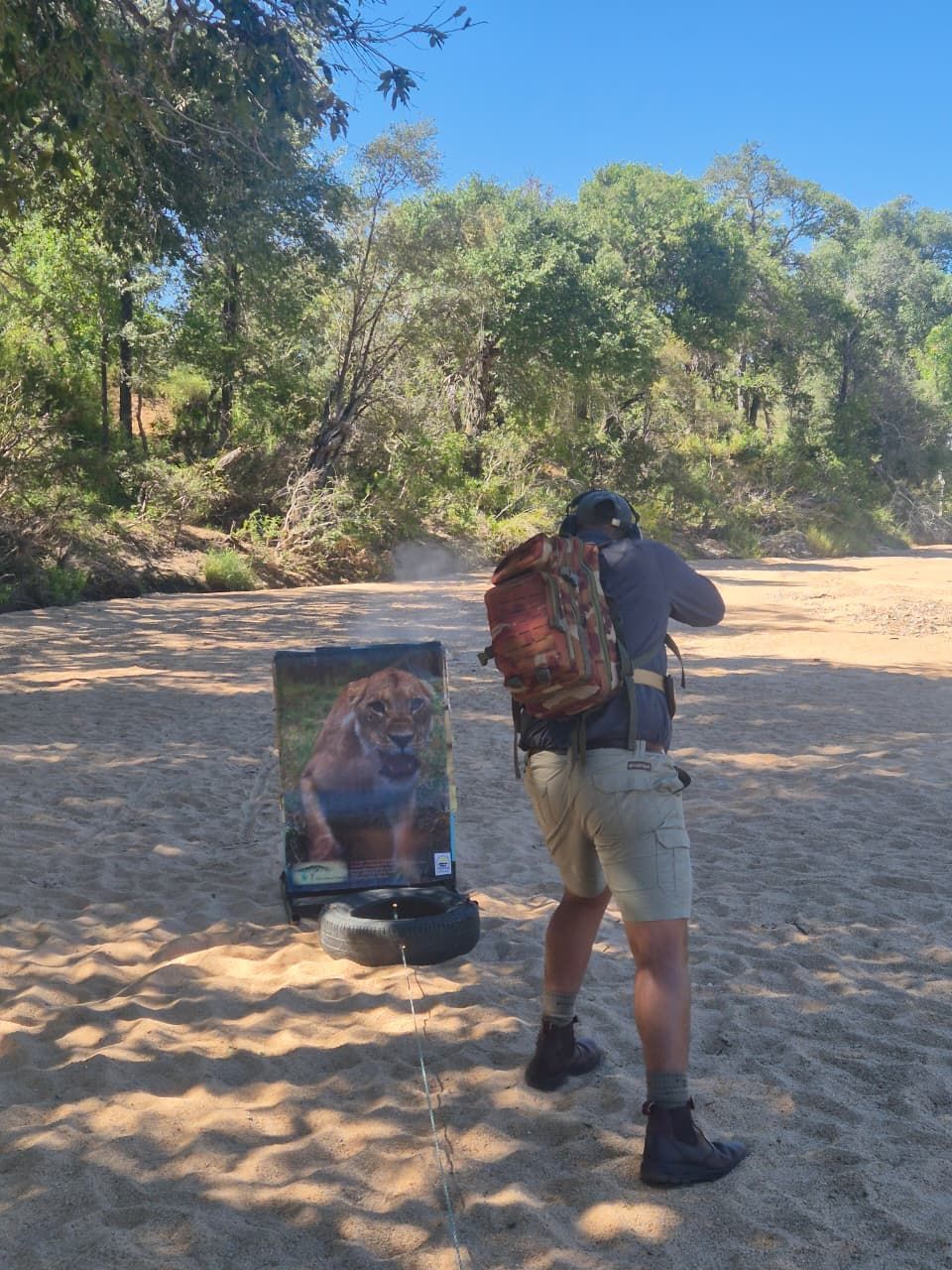
7. Simulated Charge

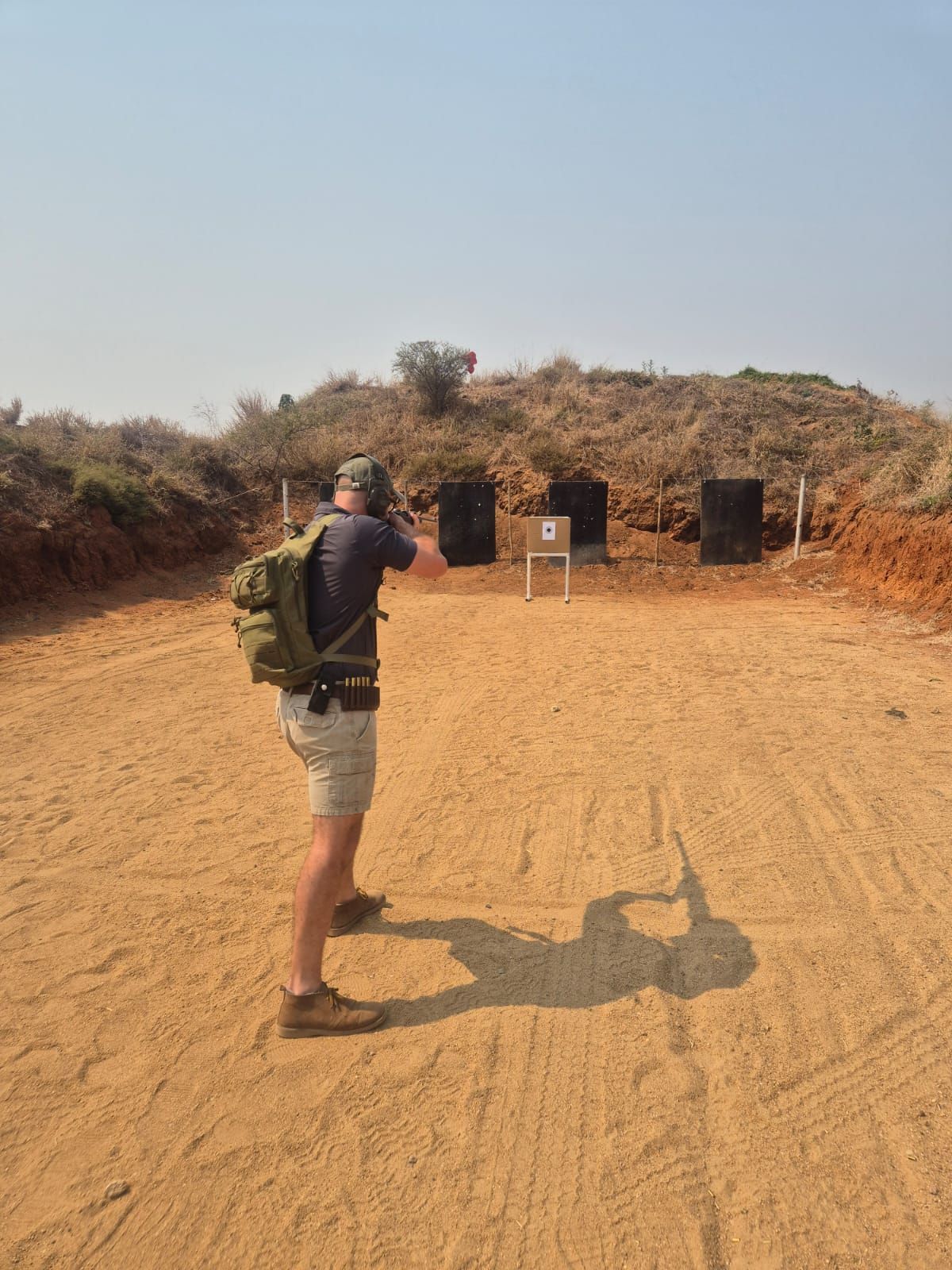
The big one. This is where speed of preparation and timing of the shot are critical. Get ready quickly, because every second counts. Don't shoot at 10 m just because you can. The longer you wait (safely), the bigger the target becomes. And make sure every procedural step is followed, as missing even one can cost you vital points.


Technique Should Be Second Nature

Rifle handling needs to be second nature. Every action, from safety checks to reloading, should be instinctive by the time you step onto the range.


A note on safety: all dry runs and practice sessions must be done with strict adherence to safety procedures. Never use live ammunition outside of a controlled assessment or practice session.


Renewing Your ARH: Part of Being a Responsible Trails Guide

Your ARH certificate goes hand in hand with your FGASA Trails Guide certificate, and renewing it is an important part of being a responsible trails guide. It isn't a box to tick every few years. It is part of the commitment you make to your guests, your fellow guides, and everyone who walks behind you in the bush.


A Skill That Can Perish

What we see often when it comes to renewing ARH status is that a large number of guides will confess to not really practising since they last renewed, at least not physically. That matters, because your ability to shoot well under pressure is a skill that can perish if it isn't practised often.

Guides who walk into a renewal without regular practice will most times pass by the skin of their teeth, if at all. Those who practise on a regular basis tend to shoot quicker and more accurately, and will usually do very well during the assessment, as long as they follow instructions and manage their nerves, of course!


Dry Runs Count Too

Regular practice doesn't always have to include physically shooting. Live practice is obviously a great advantage, but a regular routine of dry run practice holds incredible value if you want to speed up your shooting ability. A few minutes at a time is enough to keep these skills sharp:

• Rifle shouldering and bolt cycling

• Reloading and immediate action drills

• Getting ready quickly for the simulated charge, including every procedural step

Short, frequent sessions will serve you far better than one big effort the week before your assessment. Remember that every dry run must follow strict safety procedures, and that your practice sessions belong in your logbook too.


Practice Keeps Everyone Safe

Regular practice does more than sharpen your shooting. It sharpens your handling, your decision making and your composure, and that translates directly into safer bush walks. A guide who handles the rifle smoothly, without fumbling, has more attention left for what matters on foot: reading the situation, positioning guests and staying calm when things change quickly.


This is also a call to head guides and managers. Make frequent practice part of your guides' routine, and give them the time and support to do it, rather than leaving it until a renewal date is close. It is one of the most practical ways to keep your guests safe on the day that no guide ever wants to experience. On that day, the hours of practice are what everyone will be relying on.

The Top 3 Mistakes We See Most Often


1. Poor rifle handling under pressure (not enough muscle memory)

2. Fumbling for rounds or not knowing your setup

3. Uncertainty about what each drill actually requires


Know your drills. Know your kit. Know yourself.


Pre-Assessment Checklist

• Your FGASA annual subscription is current

• Your first aid qualification is valid

• Your PFTC (Professional Firearms Trainers Council) certificate copies are ready

• You've practised the drills and reviewed the FGASA ARH materials

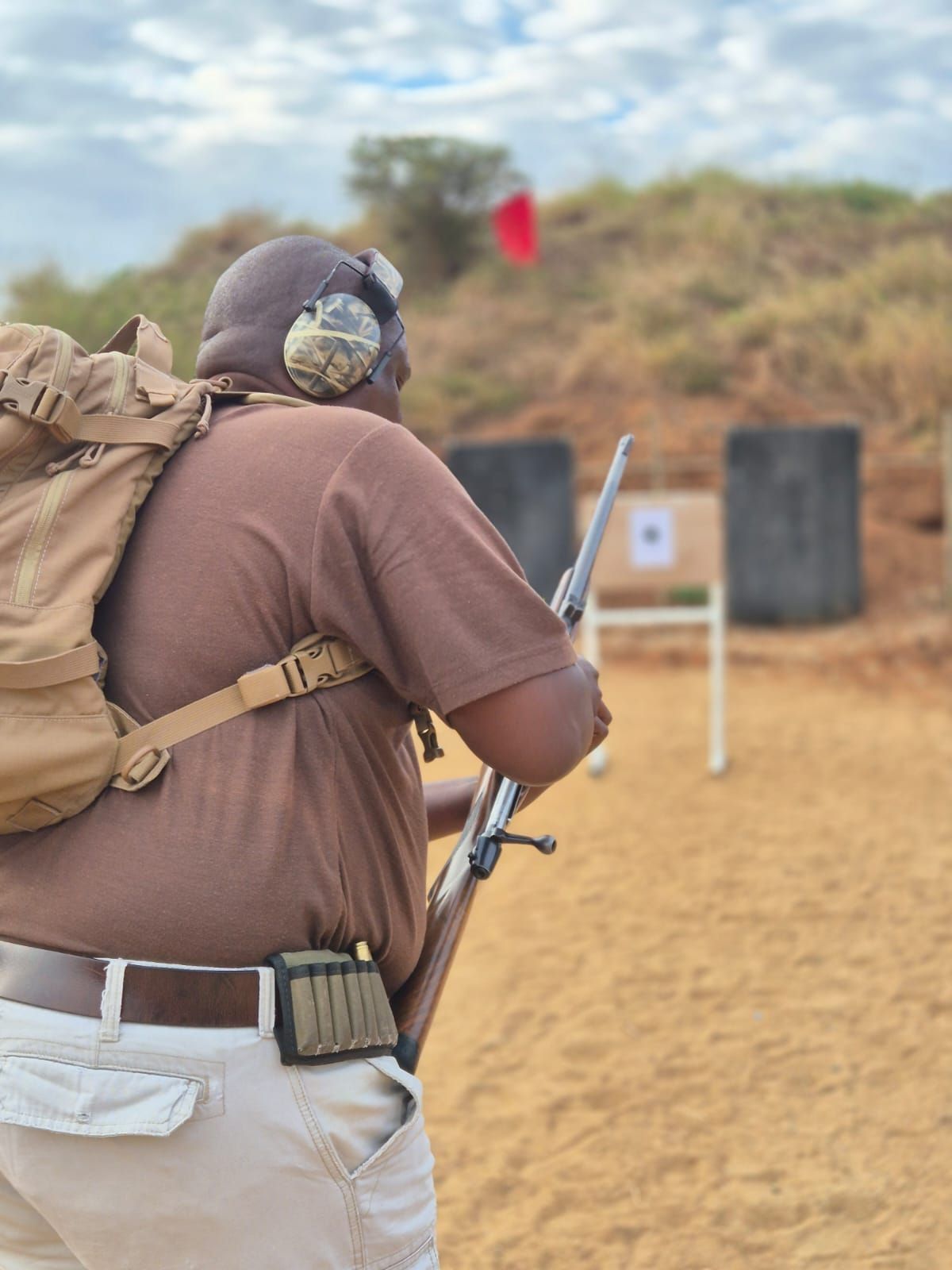
• Your backpack is "trails ready" (minimum 5 kg)

• The shooting record page in your FGASA Trails Guide logbook is filled in

Bring your logbook to every session. Whether you're practising, doing an assessment, or even declared NYC (Not Yet Competent), it must be recorded.


In Closing

ARH isn't just about passing a test. It's about preparing to lead guests and fellow guides in situations where confidence and composure matter most. So don't just practise to pass. Train to lead.


If you're getting ready for your ARH assessment and want to talk through what to expect or how to prepare, get in touch via www.nightjar.co.za. We'd be glad to help you walk onto that range ready.


By Charles Delport • October 23, 2026
A qualification tells you a guide reached a standard. It does not tell you what happens in year two. 
By Charles Delport • October 6, 2026
What We Look For as Assessors: Preparing for Your Next Step
Southern Carmine Bee-Eater
By Charles Delport • September 5, 2026
When do the summer migrants arrive in the Greater Kruger? Average arrival dates from Wahlberg's Eagle in July to the Woodland Kingfisher in November.
By Charles Delport • May 7, 2026
A practical playbook for protecting ethics, reducing pressure, and delivering unforgettable safaris without chasing perfection
By Charles Delport • April 22, 2026
Why “perfect” wildlife content can quietly increase pressure on guides, operators, and wildlife, and how we protect the real safari experience.
By Charles Delport • January 30, 2026
Looking at the year ahead for nature guides and why interpretation, professionalism, and authentic connection now define exceptional guiding.
By Charles Delport • December 11, 2025
Where gratitude meets growth: reflections on our tenth year
By Charles Delport • November 17, 2025
The Quiet Before the Storm: Preparing Mindsets for the Season Ahead
By Charles Delport • October 18, 2025
From Birding to Astronomy to Dangerous Game, Charles Delport reflects on two decades of guiding, mentorship, and lifelong learning in the African wilderness, after achieving his 3rd SKS qualificaiton.
By Charles Delport • October 6, 2025
What began as a vision to train and inspire guides has become a decade-long journey of growth, mentorship and unforgettable safari moments.